Membership design guide · 7 min read
How to Design Black, Gold and Founder Car Club Tiers
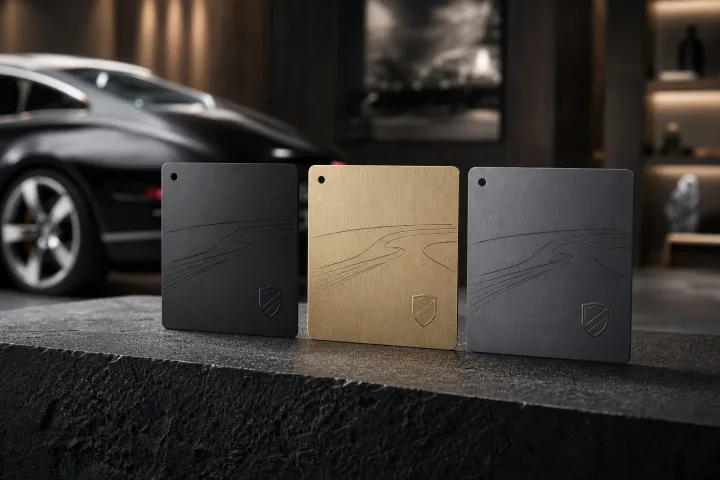
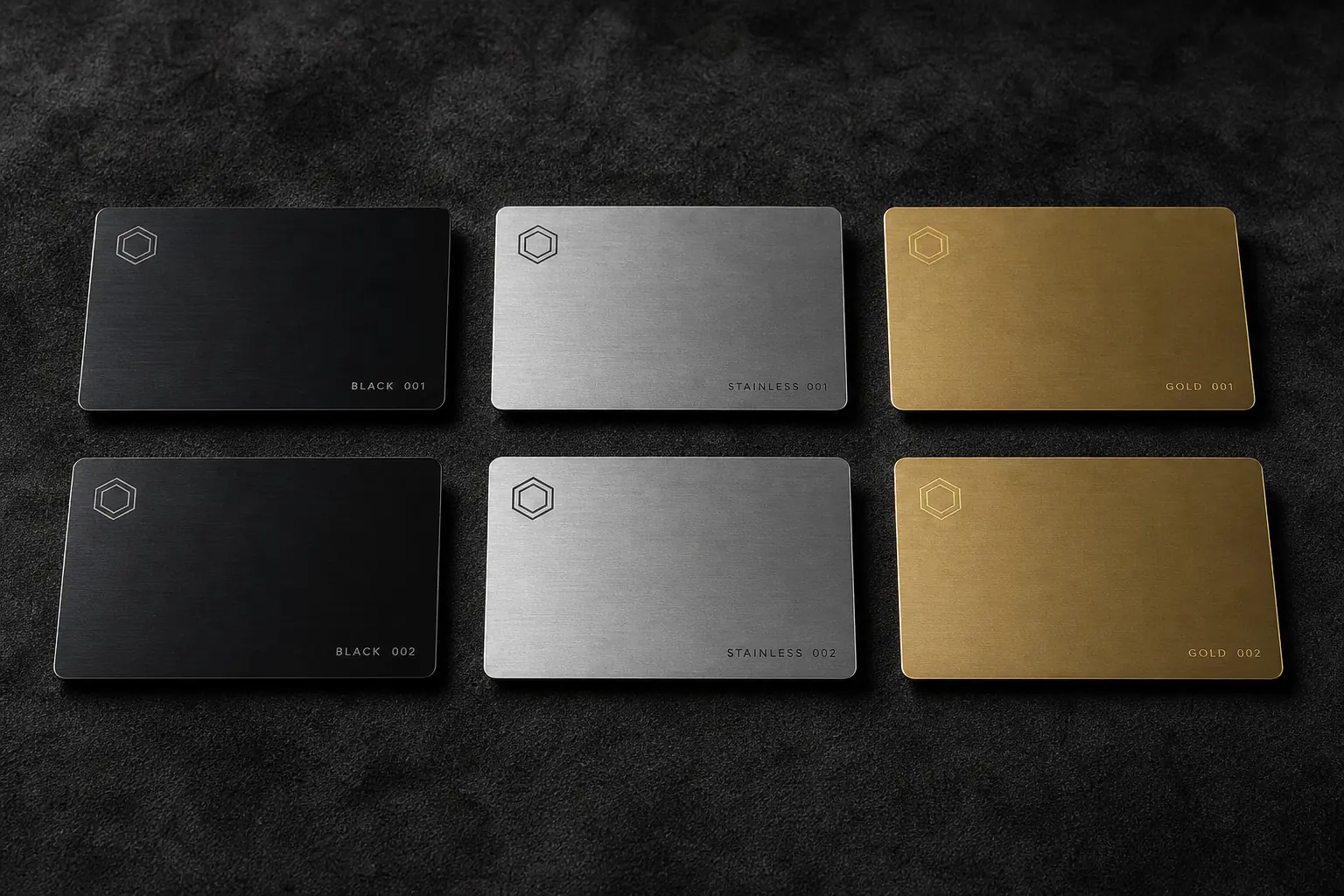
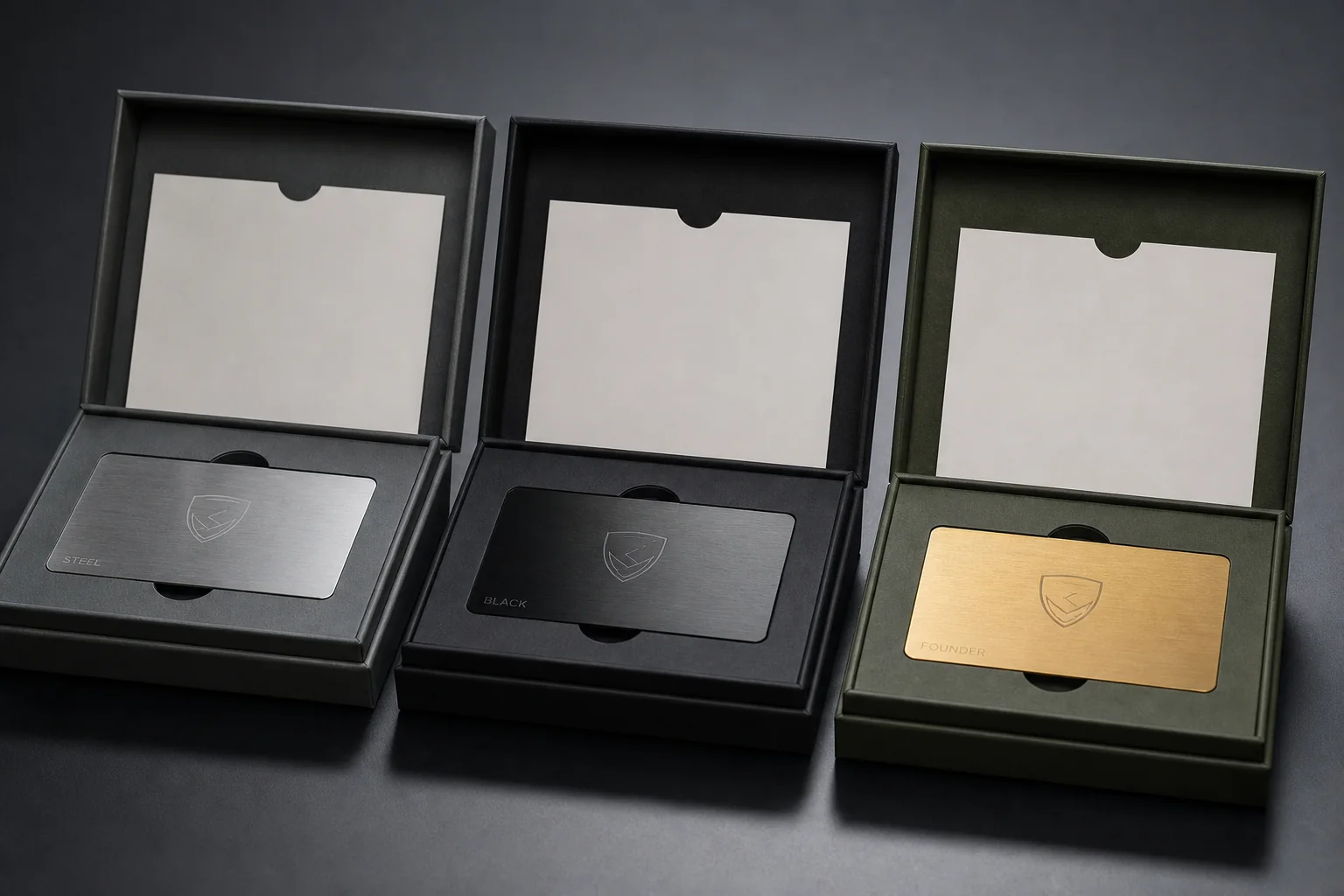
A tier system should help members and staff understand the program at a glance. Black, gold, steel, or founder finishes work when they express real differences in access and service while preserving one recognisable card family.
Industry program views
Build recognition through a system, not decoration.
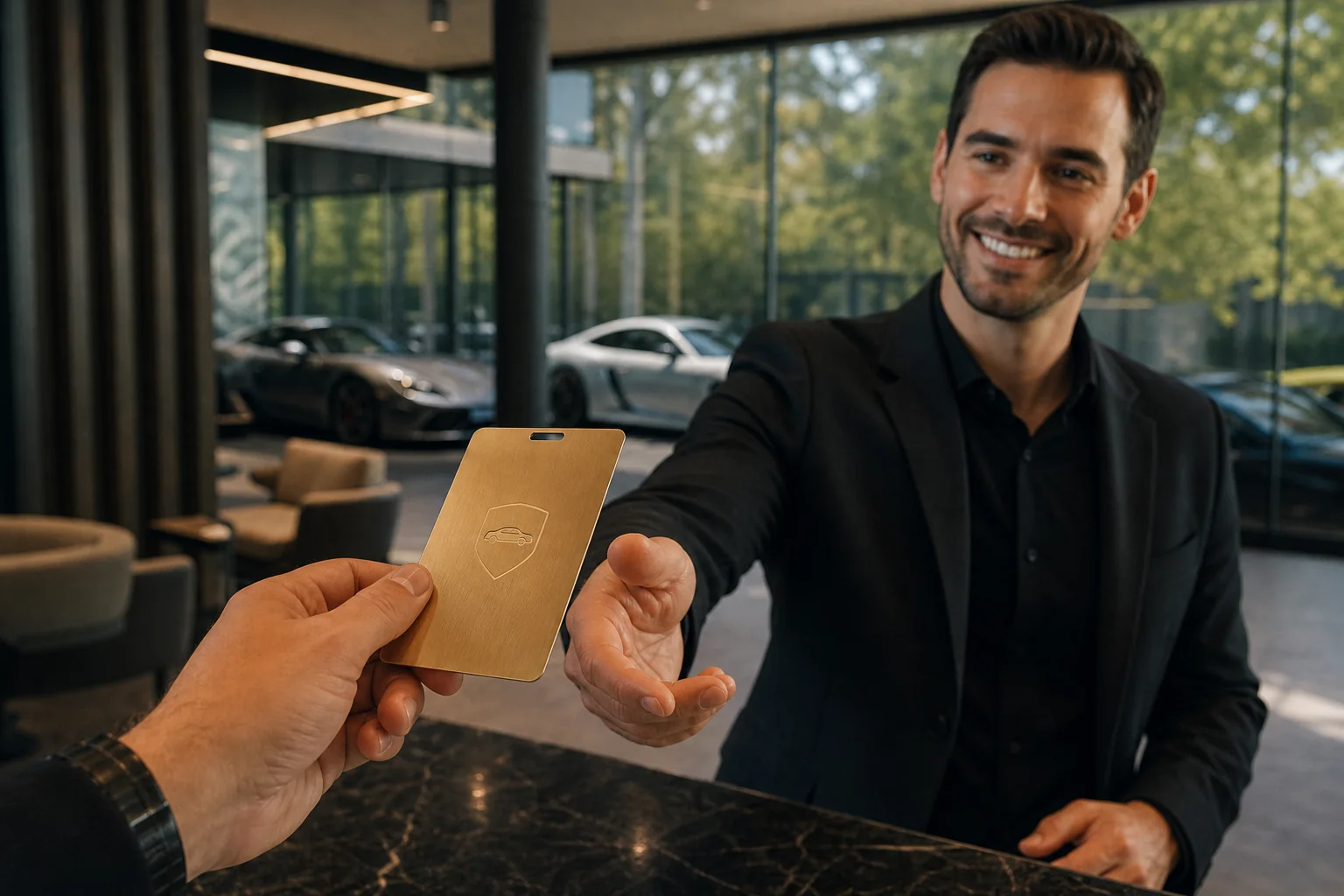
Finish, engraving, layout, staff recognition, and packaging should all express the same hierarchy without turning the card into a payment-card imitation.
Define the privileges before naming the tiers.
Write the operational difference between each level: event access, booking window, guest allowance, partner benefits, lounge use, service response, or voting rights. If staff cannot explain the difference in one sentence, the tier structure is too complex. Only after that should the program decide whether the physical hierarchy is steel, black, gold, gunmetal, or another restrained finish family.
Keep the information architecture identical.
Place the club name, member identity, number, tier, issue or expiry data, QR, and tap guidance in consistent zones. This makes production safer and staff recognition faster. The metal finish, edge treatment, one engraved line, or packaging color can change by tier while the underlying format remains stable.
Reserve the strongest finish for a meaningful tier.
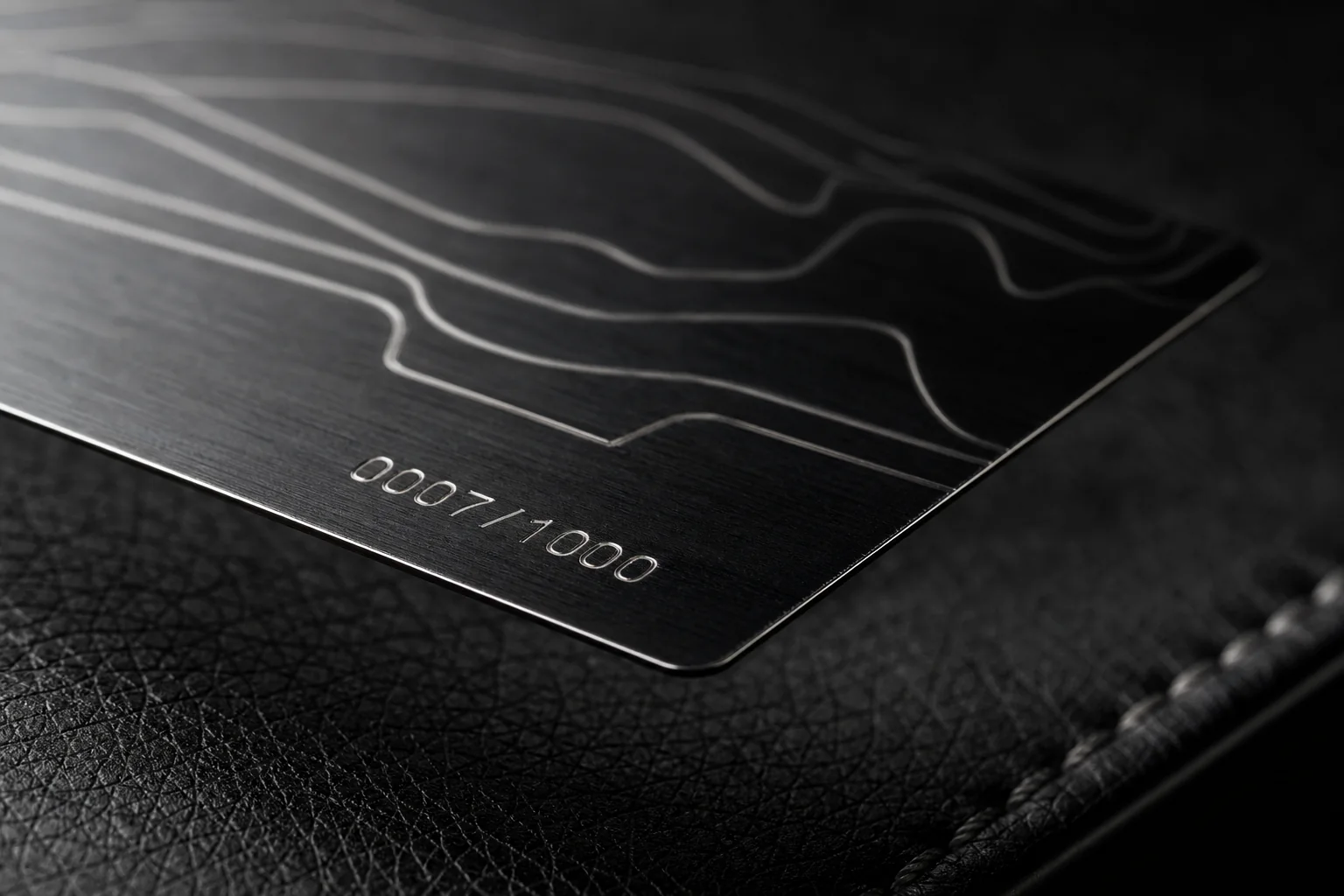
Gold or founder treatment has more impact when it is rare and attached to a clear relationship. Avoid using every premium effect on every card. Matte black with fine laser detail can feel more technical; brushed steel can act as the durable core tier; champagne gold or dark titanium can mark a founder or lifetime relationship. Physical samples decide how each finish behaves in real light.
Use personalization to make the tier credible.
A member name, controlled number, founder sequence, issue year, or individually matched box can make a limited tier feel intentional. Keep variable data readable and scan-safe. Generate personalization, QR payloads, NFC data, and packaging labels from one file so the premium presentation does not hide data mismatches.
Plan upgrades without wasting the old credential.
Decide whether a member receives a new card when moving tier, keeps the original as a dated edition, or uses a digital record while the physical card remains stable. A clean upgrade and replacement policy controls cost and protects the meaning of limited finishes. Never let a visually higher tier override the live membership record.
Best uses
- Founder, lifetime, full, and associate membership structures
- Automotive clubs with visible hospitality or partner benefits
- Invitation-only owner and collector communities
- Programs using personalization and tier-specific packaging
Relevant metal card routes
Frequently asked questions
What is the best finish for a founder card?
Choose from the club character and real sample: champagne gold, dark titanium, gunmetal, or a restrained limited engraving can all work. Rarity and personalization matter more than brightness.
Can each tier use different NFC or RFID data?
Yes, but access permissions should be controlled by the live member system. The physical card can identify tier while encoded data and records manage current entitlement.
How many tiers should a car club have?
Use the fewest levels that correspond to genuinely different member experiences. Three clear tiers are usually easier to recognise and operate than many small variations.
Specification
| Card format | CR80 85.6 × 54 mm by default; custom outlines after RF review |
|---|---|
| Thickness | 0.3–0.8 mm depending on construction |
| Minimum order | None — from one approval sample to production runs |
| Production time | About one week after artwork and sample approval |
| Personalization | Member name, ID, tier, serial, expiry, QR, NFC data, and matched packaging |
| Approval path | Finish proof, encoded working sample, reader or phone test, production approval |
| Tier controls | Shared layout and data zones; finish, edge, engraving, and packaging vary |
| Recommended hierarchy | Core steel, technical black, selective gold or dark titanium founder route |
Related metal RFID card pages
- Metal RFID Membership Cards for Yacht Clubs and Marinas
- Metal RFID Membership Cards for Private Aviation and FBO Lounges
- Metal RFID Membership Cards for Golf and Country Clubs
- Metal RFID Membership Cards for Luxury Residence Clubs
- Metal RFID Membership Cards for Private Wellness Clubs
- Custom Metal Membership Cards for Car Clubs
- Metal Membership Cards for Car Detailing Studios
- How to Build a Luxury Car Rental VIP Membership Program
- Metal Membership Cards for Private Car Storage Clubs
- Dealership VIP Cards That Extend the Owner Relationship
- VIP Metal Passes for Rallies, Track Days and Car Events
- NFC, RFID or QR for Automotive Membership Cards?
- What Can Be Personalized on a Metal Automotive Card?
- Metal vs Plastic Membership Cards for Automotive Brands
- How NFC Metal Cards Connect Automotive Member Portals
- Seven Benefits an Automotive VIP Card Can Support