Automotive membership guide · 8 min read
Custom Metal Membership Cards for Car Clubs
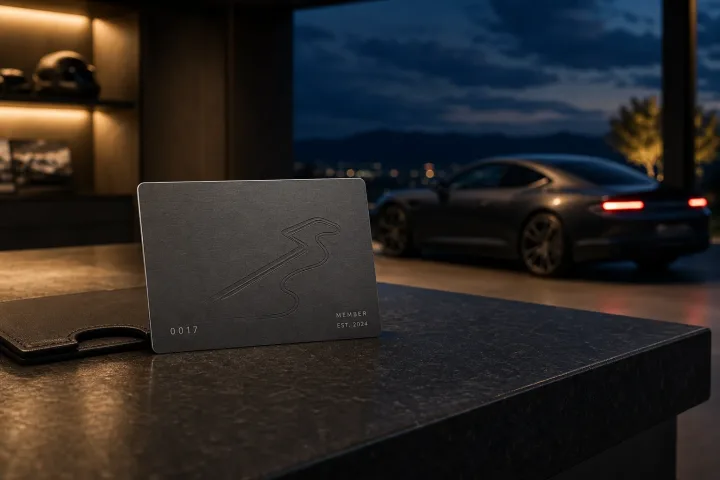
A car-club card should do more than carry a logo. It can identify a member, express tier, support event check-in, connect to a digital profile, and give partners a simple way to recognise privileges — while remaining a physical object owners want to keep.
Industry program views
Design the whole club experience around one recognisable credential.
Arrival, tier recognition, community events, and member onboarding each place different demands on the same card. Review them together before choosing the finish or data route.
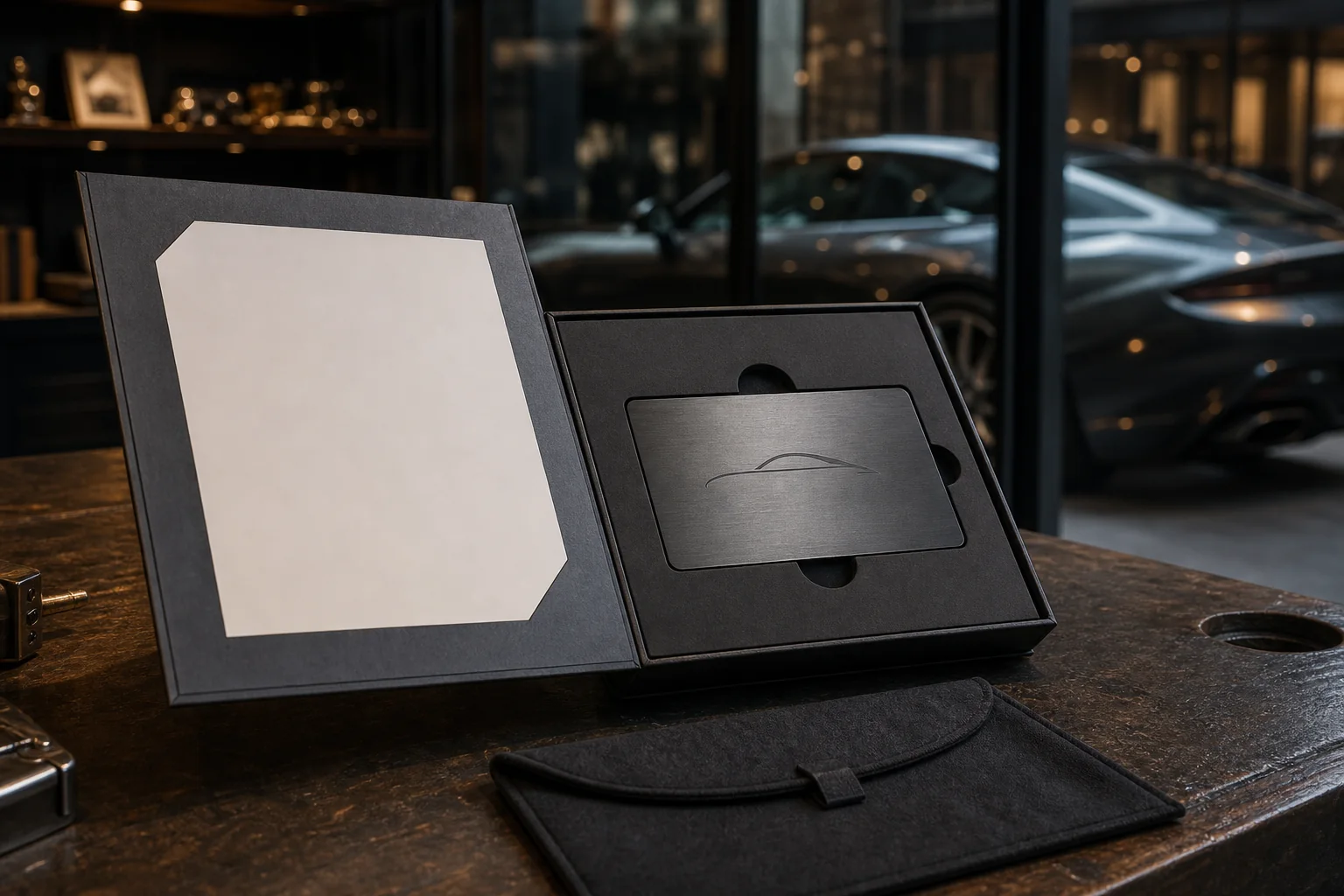
Start with the privilege, not the metal finish.
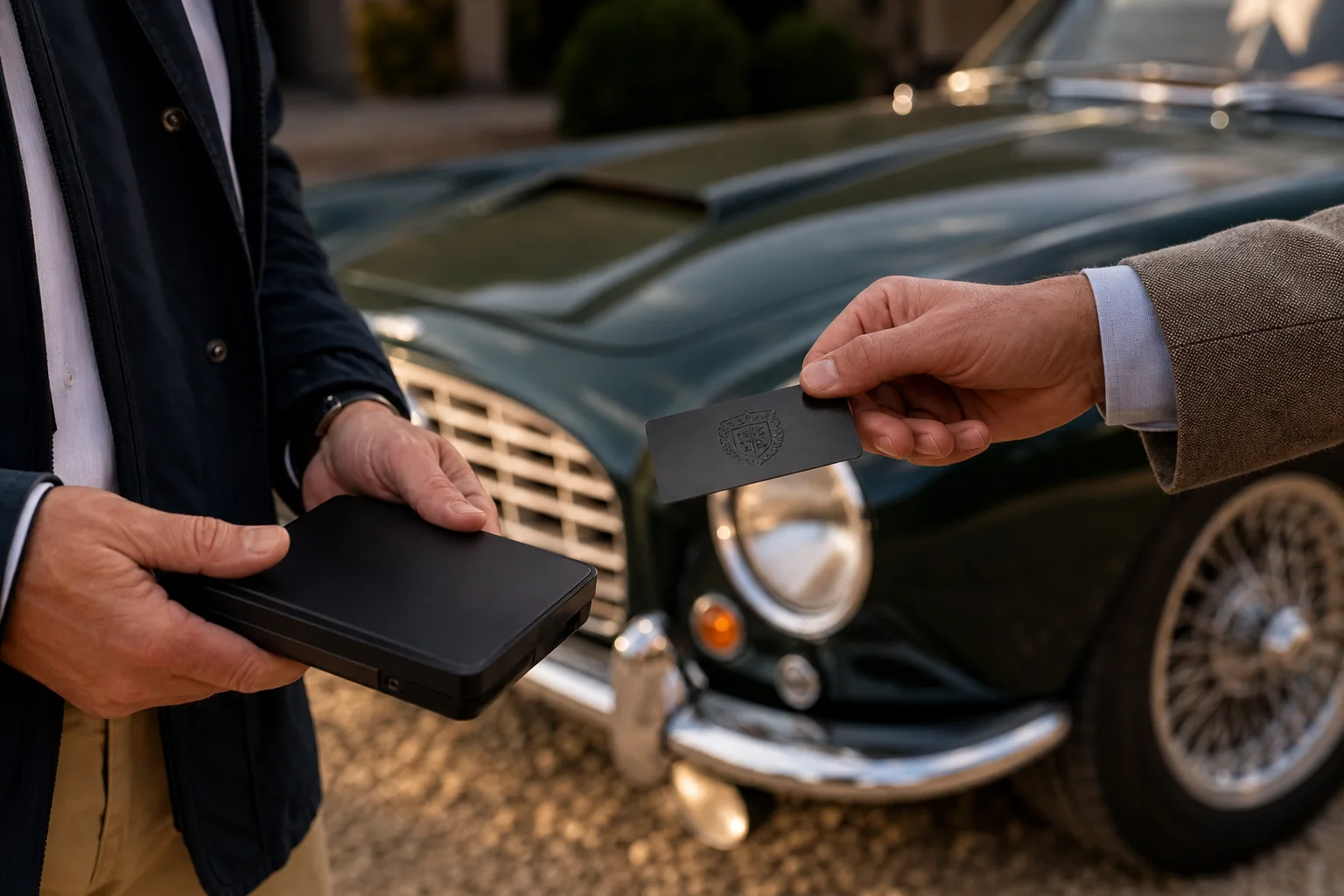
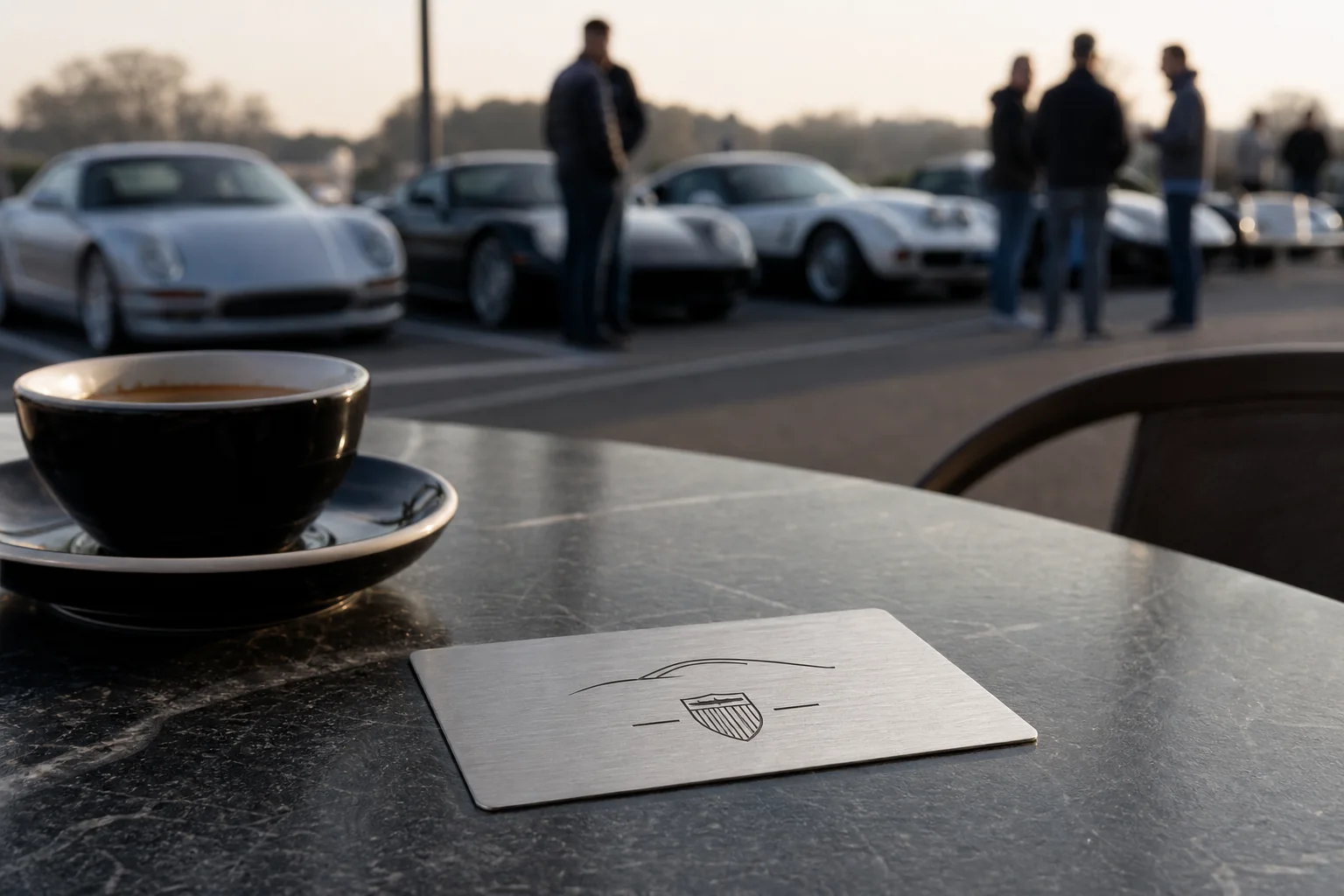
Write down what membership changes in practice: access to private gatherings, early event registration, partner benefits, member-only drives, lounge entry, or recognition at participating workshops. A card has value when staff and partners know what it proves. Once that operational job is clear, the card can be specified as visible identification, an NFC link, an encoded access credential, or a controlled combination.
Use one design system across every tier.
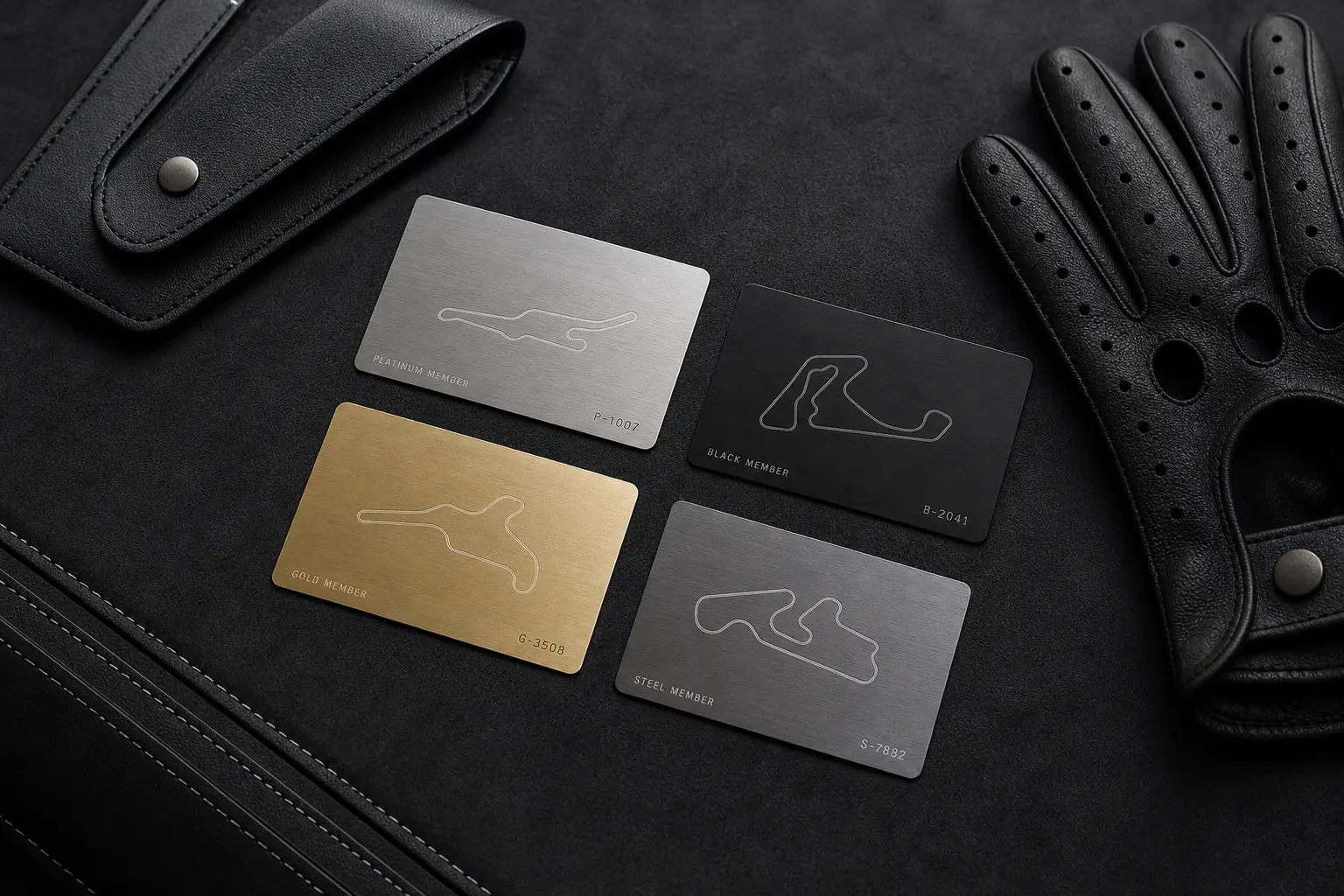
Founder, full, associate, and event-only members should look related. Keep the layout, typography, member-number position, and data zones consistent; change the metal tone, edge, engraving depth, or packaging accent to mark each tier. This makes recognition faster and prevents the program from becoming a collection of unrelated card designs that are difficult to reissue.
Connect the physical card to a living member record.
An NFC tap or QR scan can open a member profile, benefits page, event calendar, renewal route, or partner directory. The destination should be editable without replacing the card, and it should show only the information a member has agreed to share. Secure facility access is a separate specification and must be matched to the installed reader rather than assumed from a phone-tap requirement.
Plan event and partner recognition before launch.
A metal card works best when the people accepting it have a clear process. Decide whether they inspect the tier visually, scan a QR code, tap a phone, or read an encoded credential. Give partners a simple validation rule and a fallback for weak connectivity. Club runs and rallies may also need a lanyard pass, so decide whether the wallet card remains the identity credential while a separate event pass manages access.
Treat issue, renewal, and replacement as part of the product.
Member names, numbers, tiers, expiry dates, UID references, QR payloads, and packaging labels should come from one controlled data file. Define what happens when a card is lost, a member changes tier, or benefits expire. A premium credential becomes an operational liability when replacement and revocation are improvised after launch.
Best uses
- Supercar, performance, marque-independent, and collector clubs
- Members-only drives, tours, meets, and hospitality programs
- Partner-benefit networks involving detailers, storage, service, or dining
- Founder, lifetime, full, associate, and invitation-only tiers
Relevant metal card routes
Frequently asked questions
Can every car-club member receive unique details?
Yes. Names, member numbers, tiers, issue dates, expiry dates, QR codes, serials, and packaging labels can be matched from one approved variable-data file.
Can the same card work with phones and club access readers?
Sometimes, but phone NFC and secure reader access are different requirements. Confirm the installed reader and phone journey first, then approve a working sample that proves both behaviors where a combined route is required.
Should a club use one card for every tier?
Use one visual system, not necessarily one finish. Layout and data positions can stay consistent while metal tone, engraving, edge, and packaging distinguish tiers.
Specification
| Card format | CR80 85.6 × 54 mm by default; custom outlines after RF review |
|---|---|
| Thickness | 0.3–0.8 mm depending on construction |
| Minimum order | None — from one approval sample to production runs |
| Production time | About one week after artwork and sample approval |
| Personalization | Member name, ID, tier, serial, expiry, QR, NFC data, and matched packaging |
| Approval path | Finish proof, encoded working sample, reader or phone test, production approval |
| Program data | Member ID, tier, issue or expiry date, NFC/QR destination, access reference |
| Critical test | Member recognition flow plus phone, scanner, or installed reader behavior |
Related metal RFID card pages
- Metal RFID Membership Cards for Yacht Clubs and Marinas
- Metal RFID Membership Cards for Private Aviation and FBO Lounges
- Metal RFID Membership Cards for Golf and Country Clubs
- Metal RFID Membership Cards for Luxury Residence Clubs
- Metal RFID Membership Cards for Private Wellness Clubs
- Metal Membership Cards for Car Detailing Studios
- How to Build a Luxury Car Rental VIP Membership Program
- Metal Membership Cards for Private Car Storage Clubs
- Dealership VIP Cards That Extend the Owner Relationship
- VIP Metal Passes for Rallies, Track Days and Car Events
- NFC, RFID or QR for Automotive Membership Cards?
- How to Design Black, Gold and Founder Car Club Tiers
- What Can Be Personalized on a Metal Automotive Card?
- Metal vs Plastic Membership Cards for Automotive Brands
- How NFC Metal Cards Connect Automotive Member Portals
- Seven Benefits an Automotive VIP Card Can Support