125 kHz LF
Programmable 125 kHz Metal RFID Cards
The programmable 125 kHz is the rewritable chip of the 125 kHz world: unlike fixed-ID EM-style chips, it can be programmed — and reprogrammed — to present the format an installed LF reader expects. That makes it the standard route for replacement credentials and compatibility projects where the original chip is discontinued or the system only accepts one legacy format.
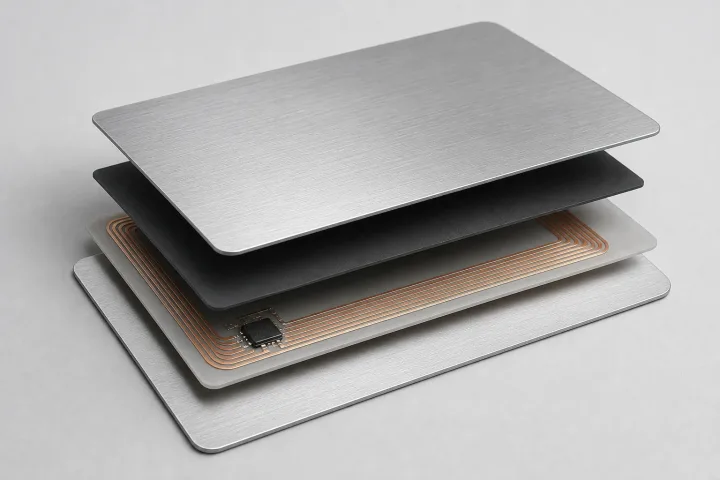
Programmable 125 kHz route brief
| Frequency | 125 kHz LF |
|---|---|
| Best use | Compatibility-driven LF access, hotel, ID, and legacy replacement projects. |
| Chip route | programmable 125 kHz rewritable LF chip, programmable to EM-style and other legacy formats the reader expects. |
| Phone behavior | Not phone-readable. |
| Encoding | Blank, encoded, cloned by the buyer, or access-provider format depending on project rules. |
| Approval check | Define encoding ownership, confirm target format, and test on the real reader in a final metal sample. |
Visual references
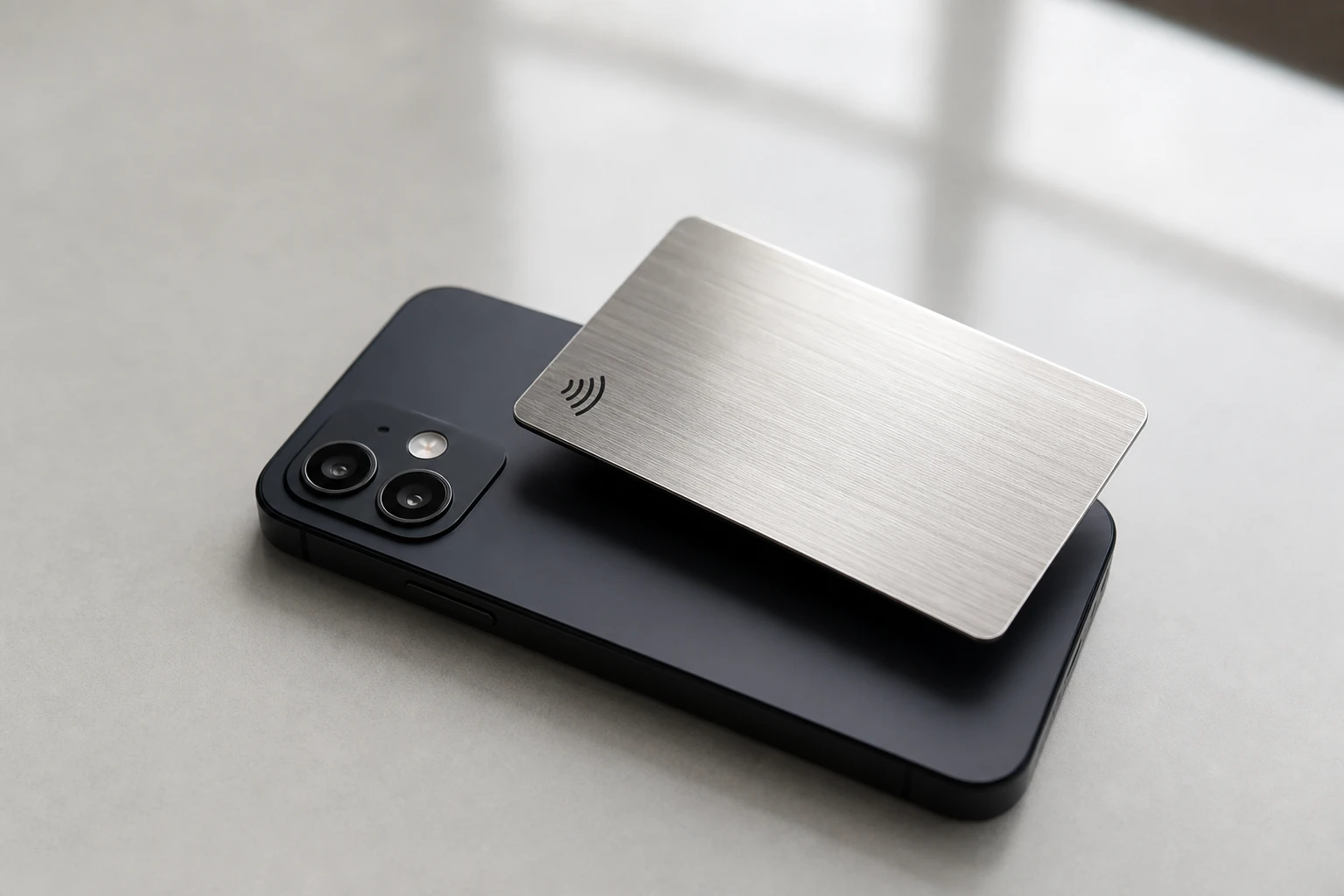
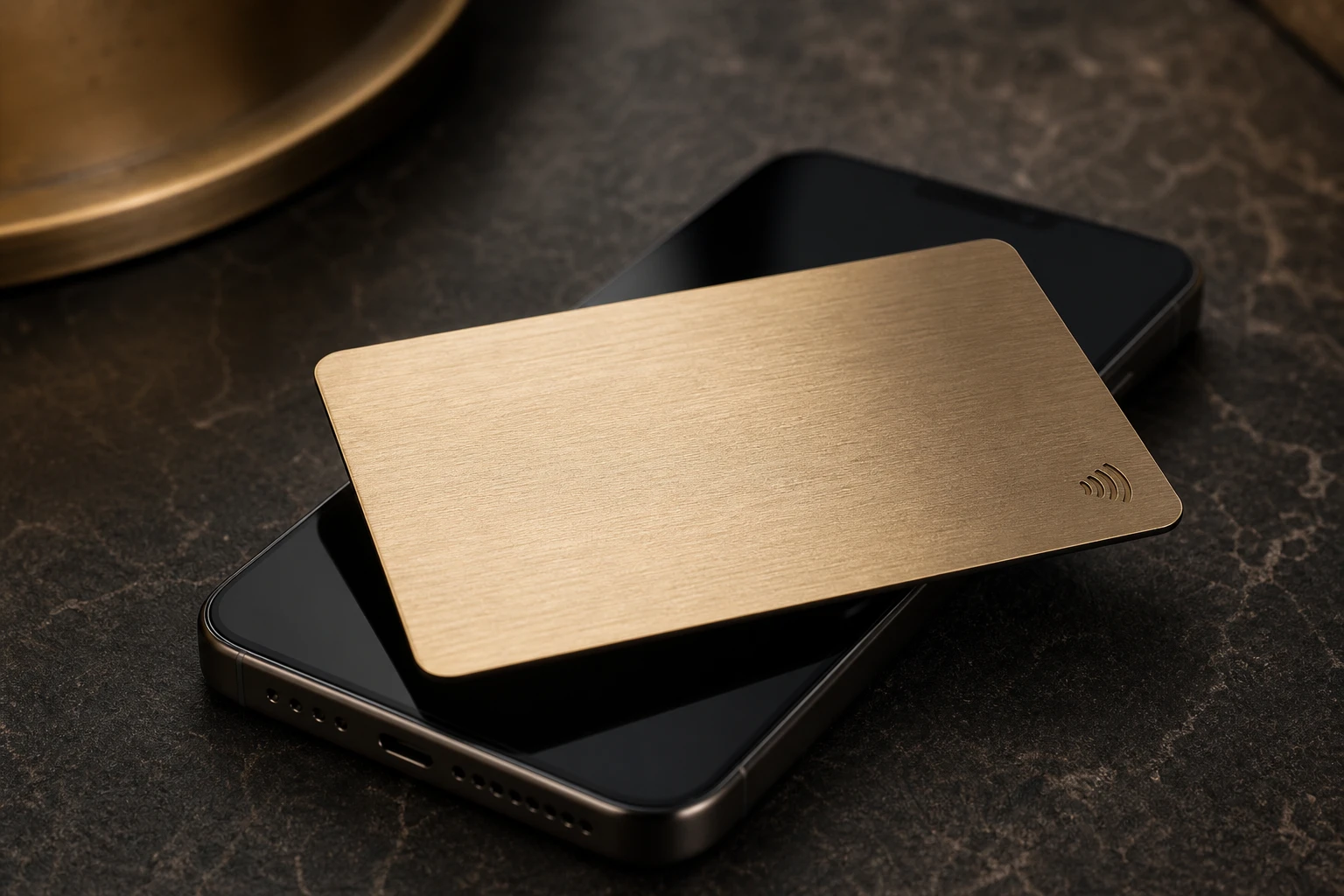
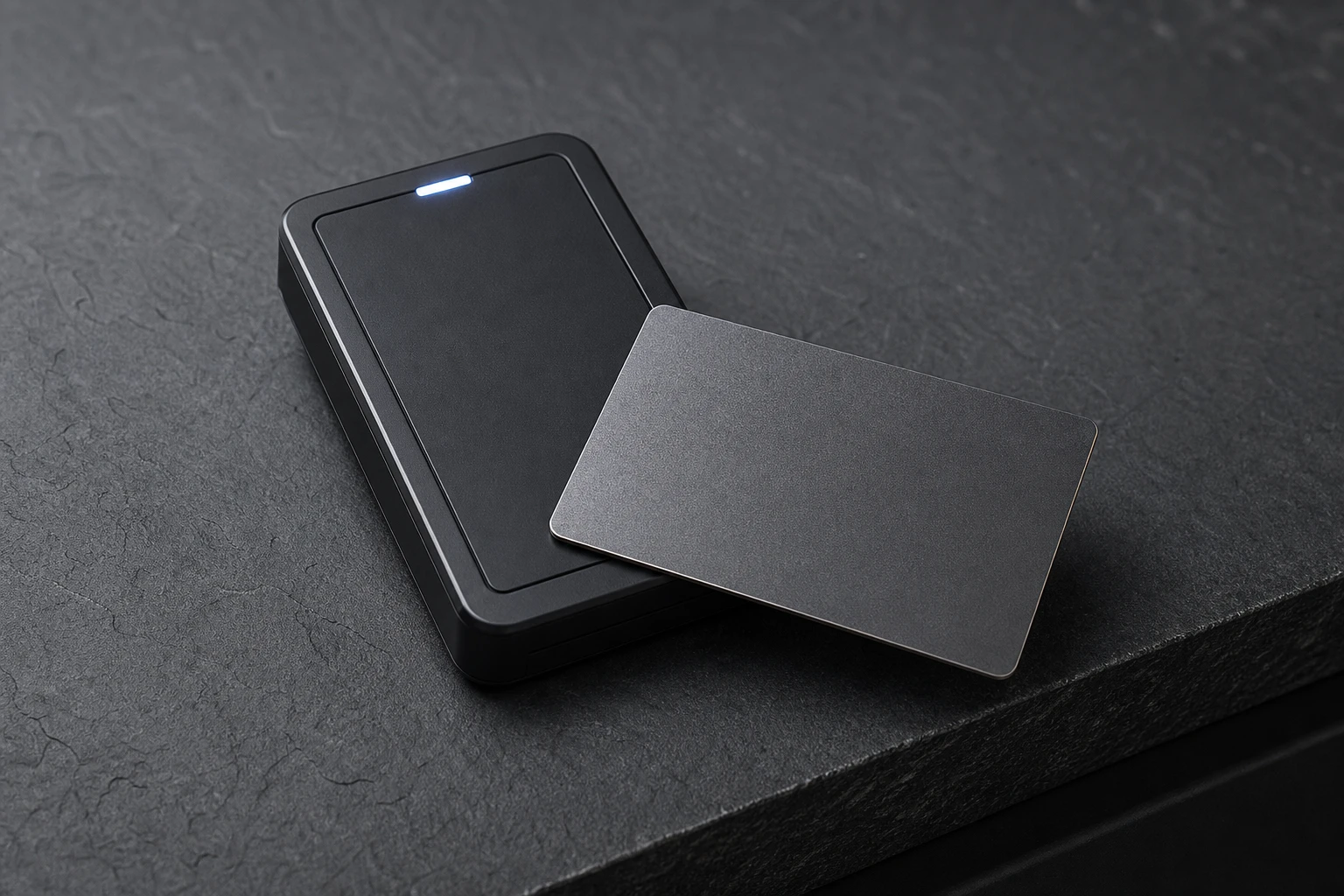
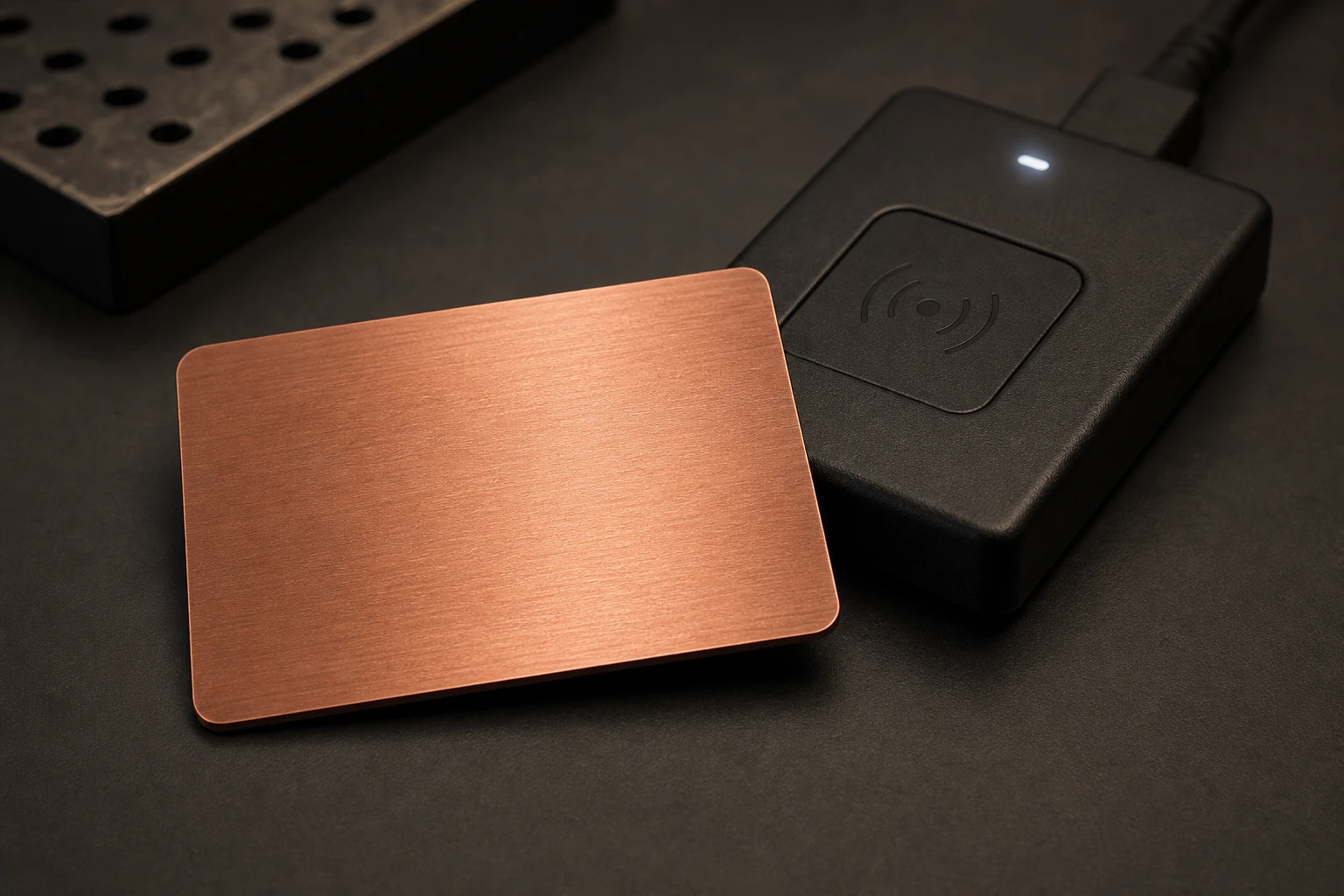
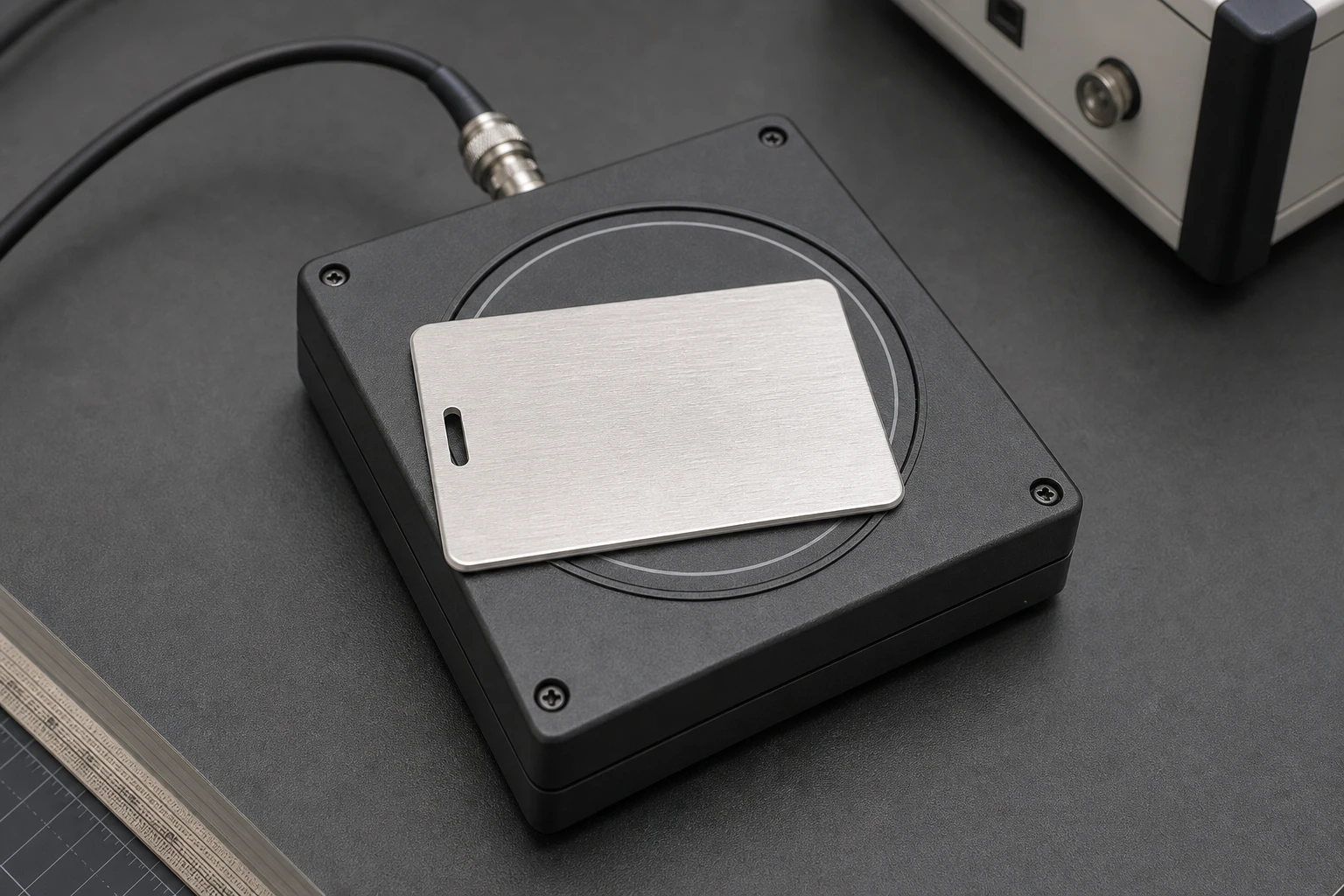
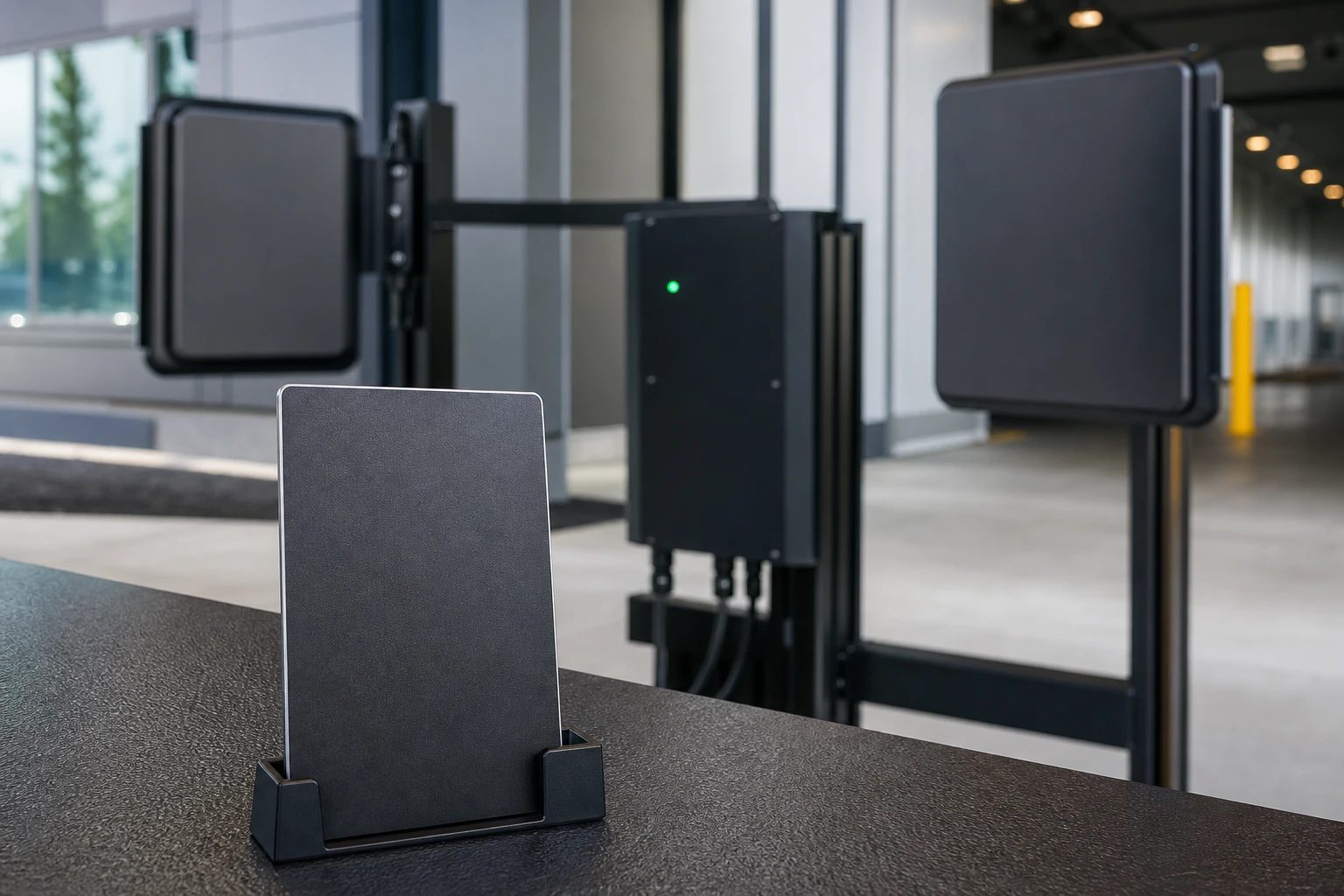
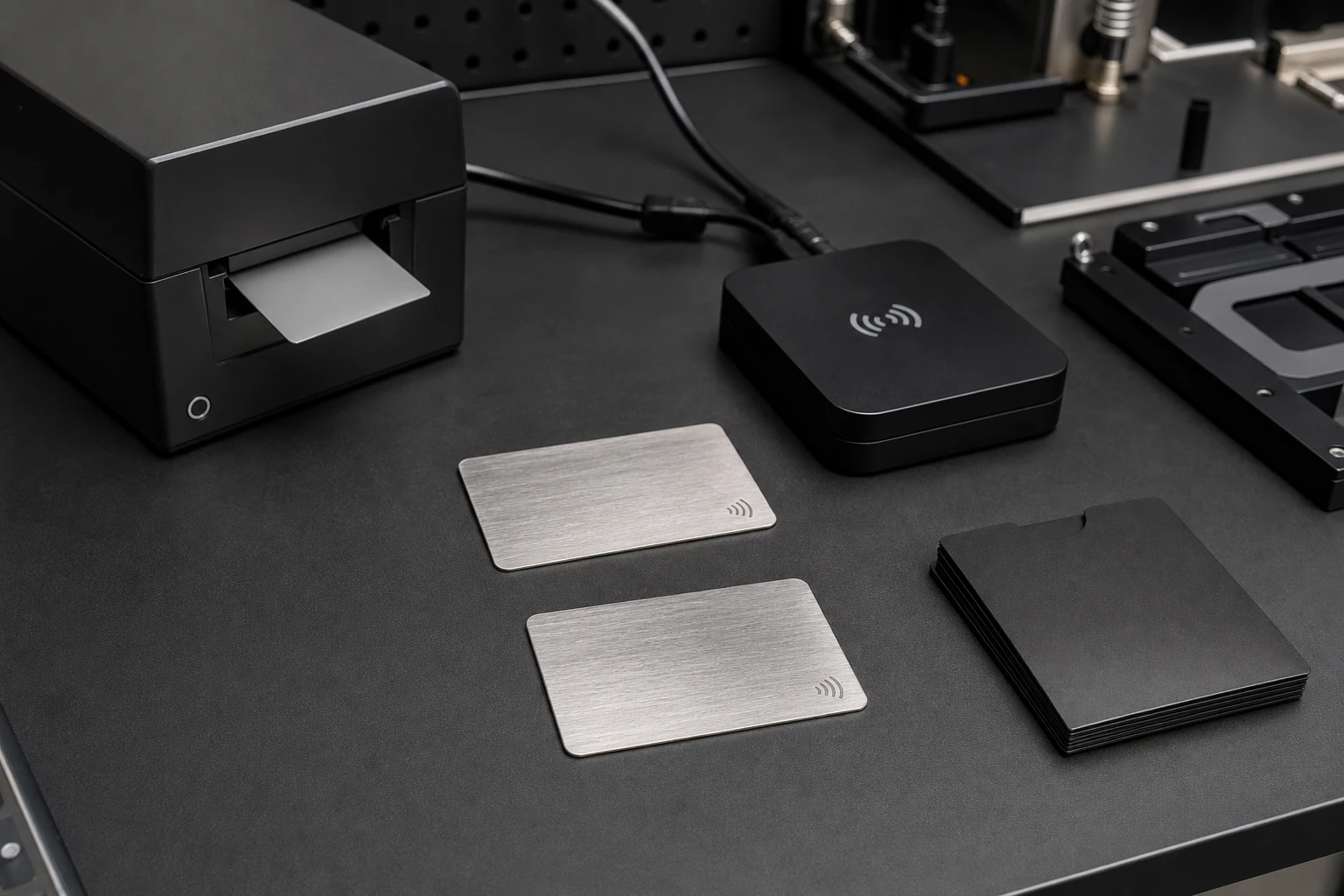
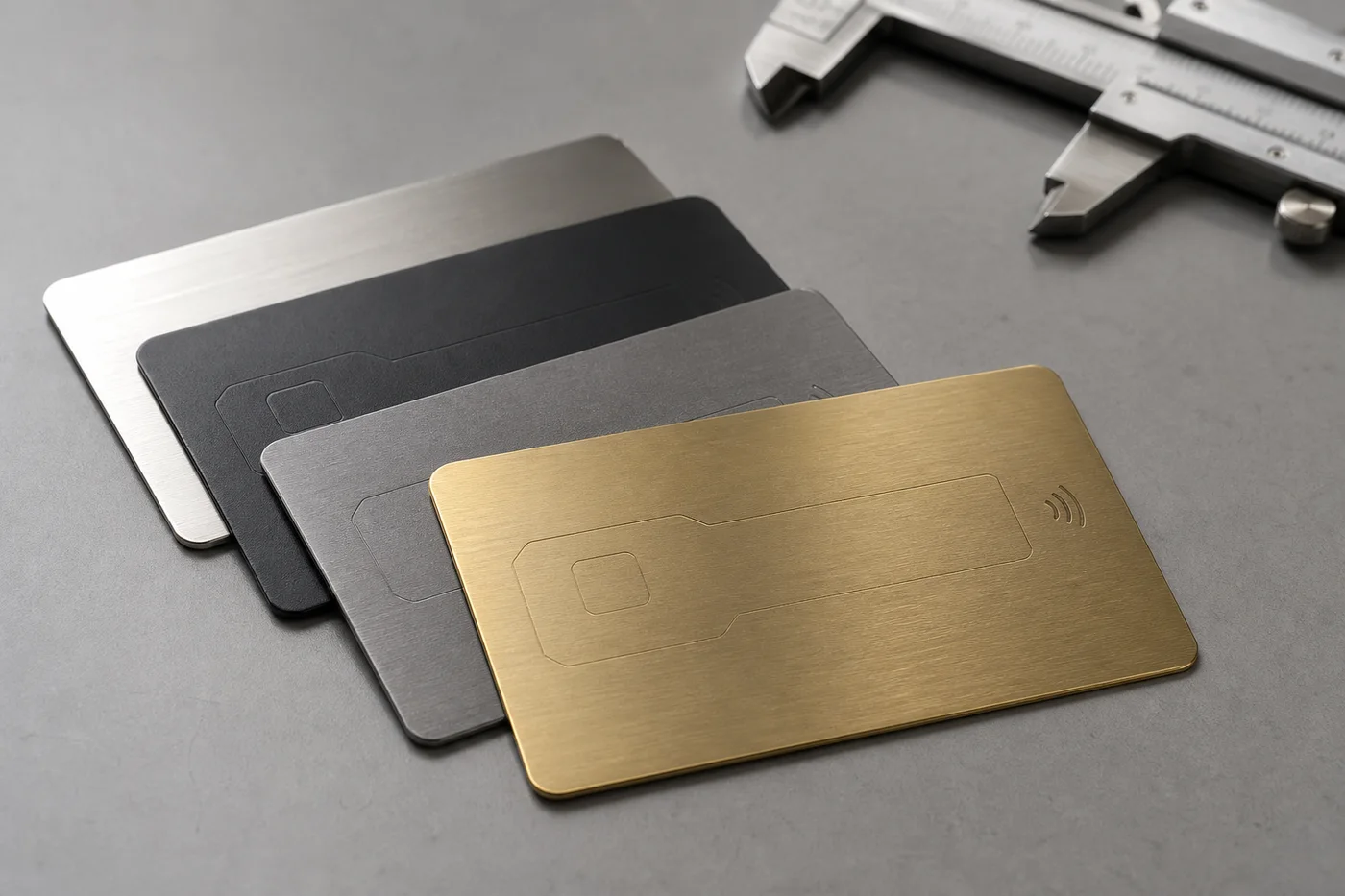
Rewritable cuts both ways — decide who programs it.
programmable 125 kHz cards can ship blank for the buyer or access provider to program, or arrive encoded to a confirmed format. Define the encoding owner before production, because a rewritable chip that ships in the wrong state creates a support problem, not a credential. As with all 125 kHz routes, it is not phone-readable.
Approve a working sample in the real environment.
Define encoding ownership, confirm target format, and test on the real reader in a final metal sample.
Best uses
- Compatibility-driven LF access, hotel, ID, and legacy replacement projects.
- Metal card programs that can validate a finished encoded sample on the target reader
- Projects that need print, serial, QR, packaging, and data handling reconciled in one approved brief
Frequently asked questions
What makes programmable 125 kHz different from other LF chips?
It is rewritable. EM-style LF chips carry a fixed ID; a programmable 125 kHz can be programmed — and later reprogrammed — to present the format an installed reader expects, which is why it dominates replacement and compatibility projects.
Should programmable 125 kHz metal cards ship blank or encoded?
Either, but the decision is made before production: blank supply suits buyers and access providers who program in-house, encoded supply suits projects that confirm the target format up front. The finished metal sample is tested on the real reader in both cases.
Is a programmable 125 kHz metal card phone-readable?
No — it is a 125 kHz chip, and smartphone NFC operates at 13.56 MHz. Where a program needs both a legacy LF credential and a phone experience, a printed QR zone is the usual companion.
Specification
| Format | CR80 85.6 x 54 mm by default; custom outlines after RF review |
|---|---|
| Thickness | 0.3 mm to 0.8 mm depending on construction |
| Minimum order | None — single samples to production runs |
| Production time | About one week after artwork and sample approval |
| RF construction | Antenna, ferrite or hybrid shielding, chip, metal faces, and edge stack specified together |
| Chip routes | NFC tag, standard HF, high-security AES HF, LF compatibility, and selected UHF by reader test |
| Marking options | Laser etch, deep engraving, UV print, white ink, enamel fill, QR, serial, and controlled cut-through |
| Approval flow | Finish sample, encoded working sample, reader check, pre-production approval |
| Frequency | 125 kHz LF |
| Chip route | programmable 125 kHz rewritable LF chip, programmable to EM-style and other legacy formats the reader expects. |
| Phone behavior | Not phone-readable. |
| Encoding | Blank, encoded, cloned by the buyer, or access-provider format depending on project rules. |
| Approval check | Define encoding ownership, confirm target format, and test on the real reader in a final metal sample. |
Related metal RFID card pages
- LF Metal RFID Cards
- HF NFC Metal RFID Cards
- NFC Tag Metal RFID Cards
- Entry-level HF Metal RFID Cards
- AES-secured HF Metal RFID Cards
- Standard HF Metal RFID Cards
- High-security AES Metal RFID Cards
- UHF Metal RFID Cards
- Metal RFID Card Encoding
- RFID UID Converter & Wiegand 26-bit Calculator