Identity and access
Metal RFID ID Badges
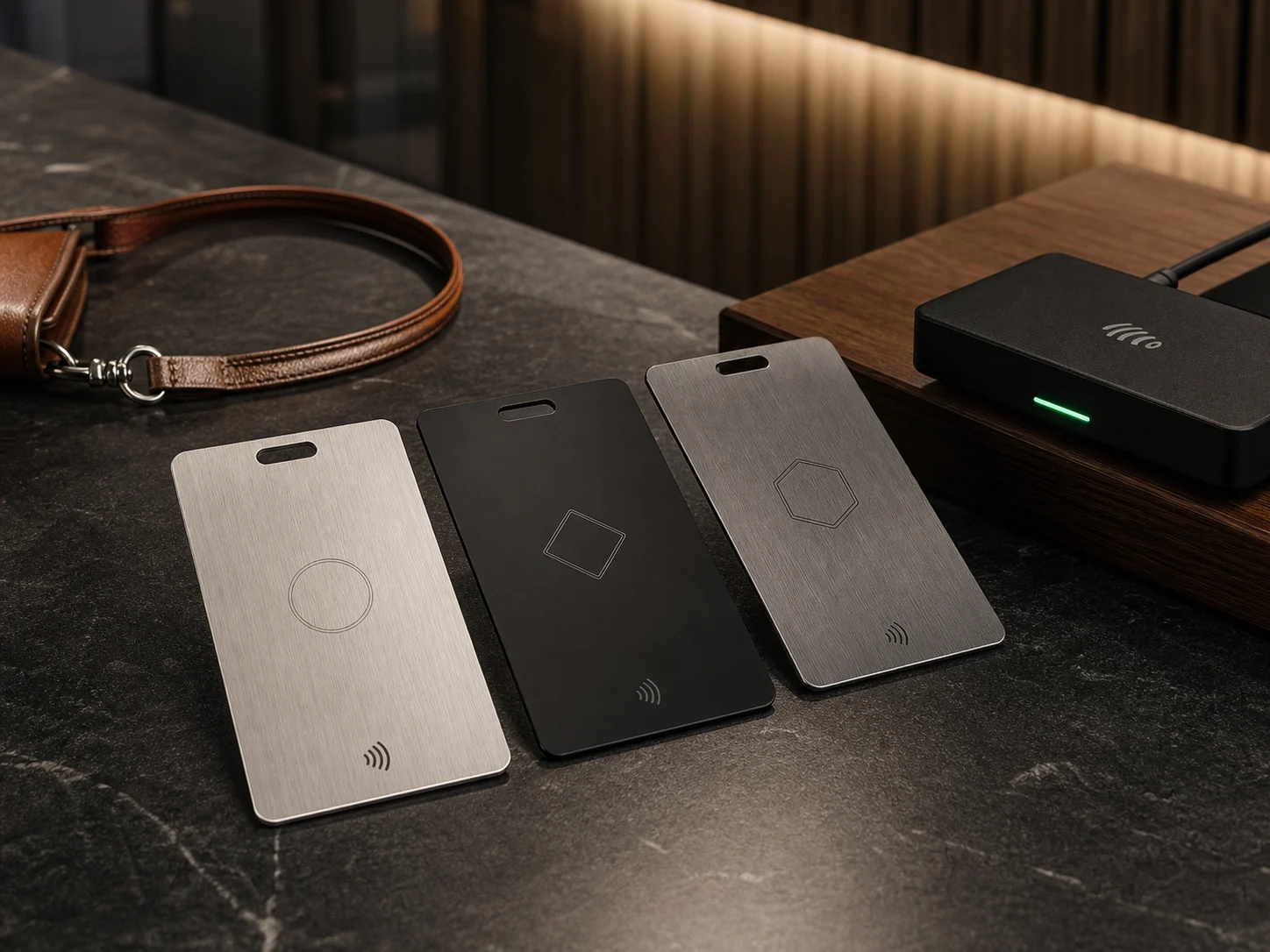
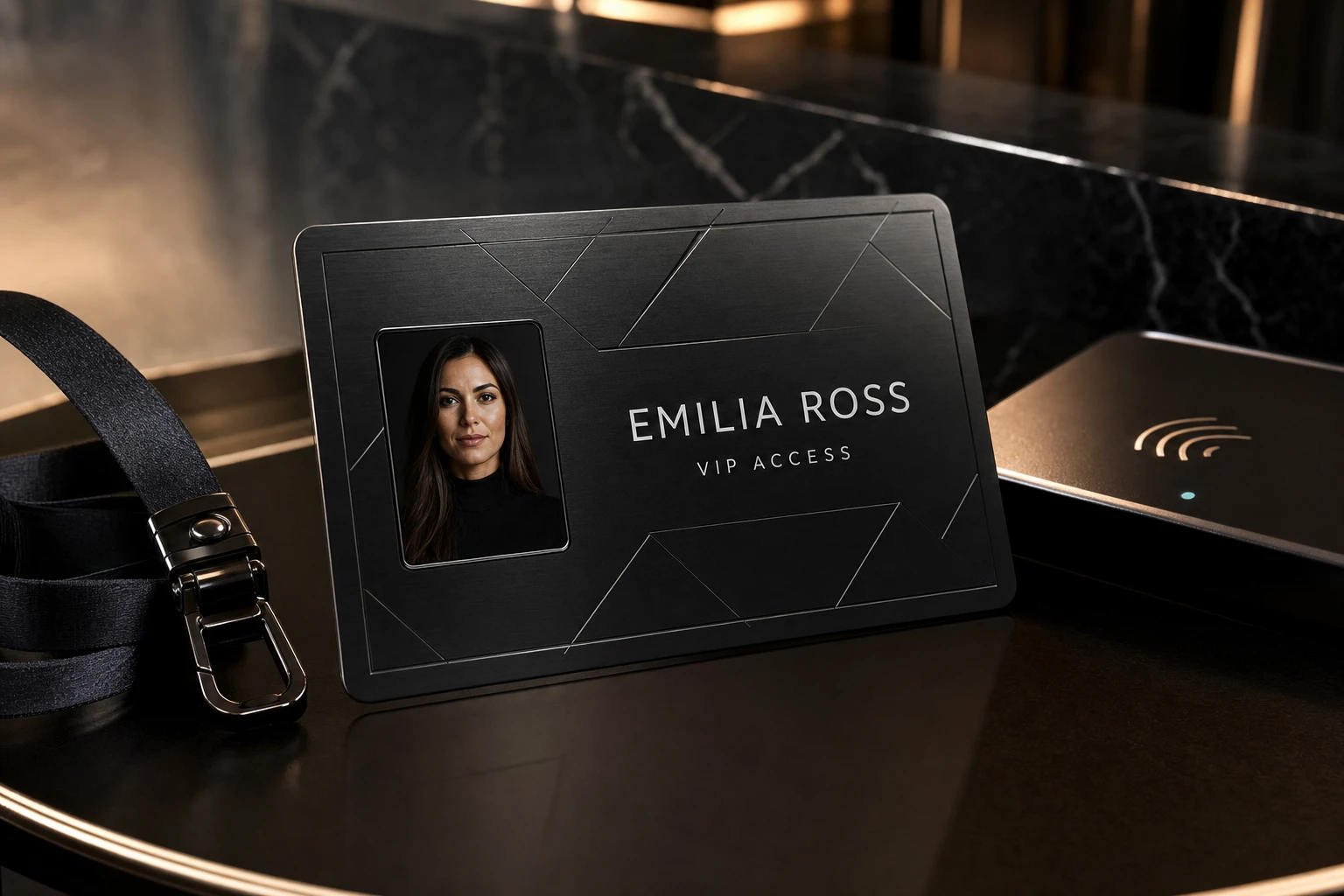
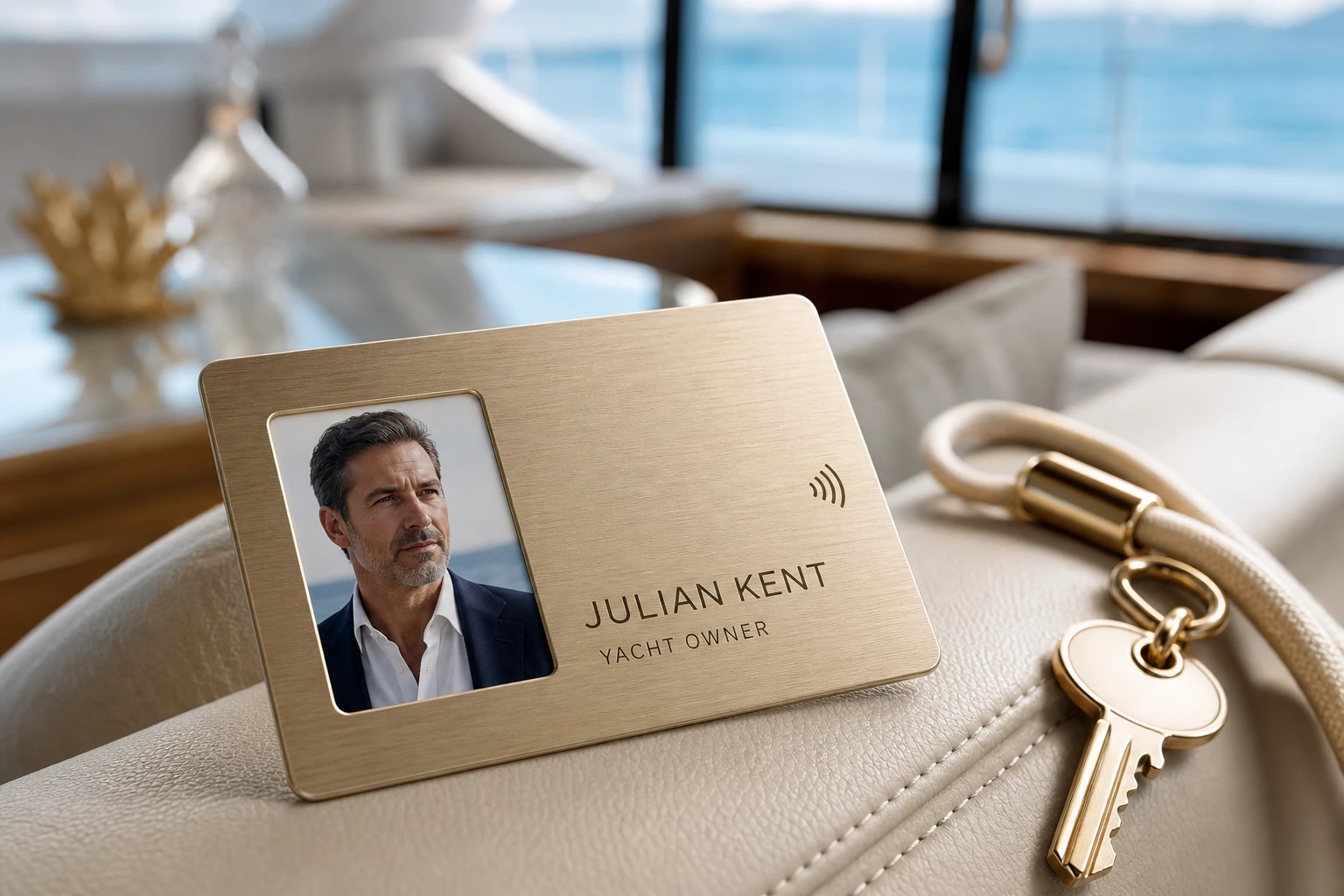
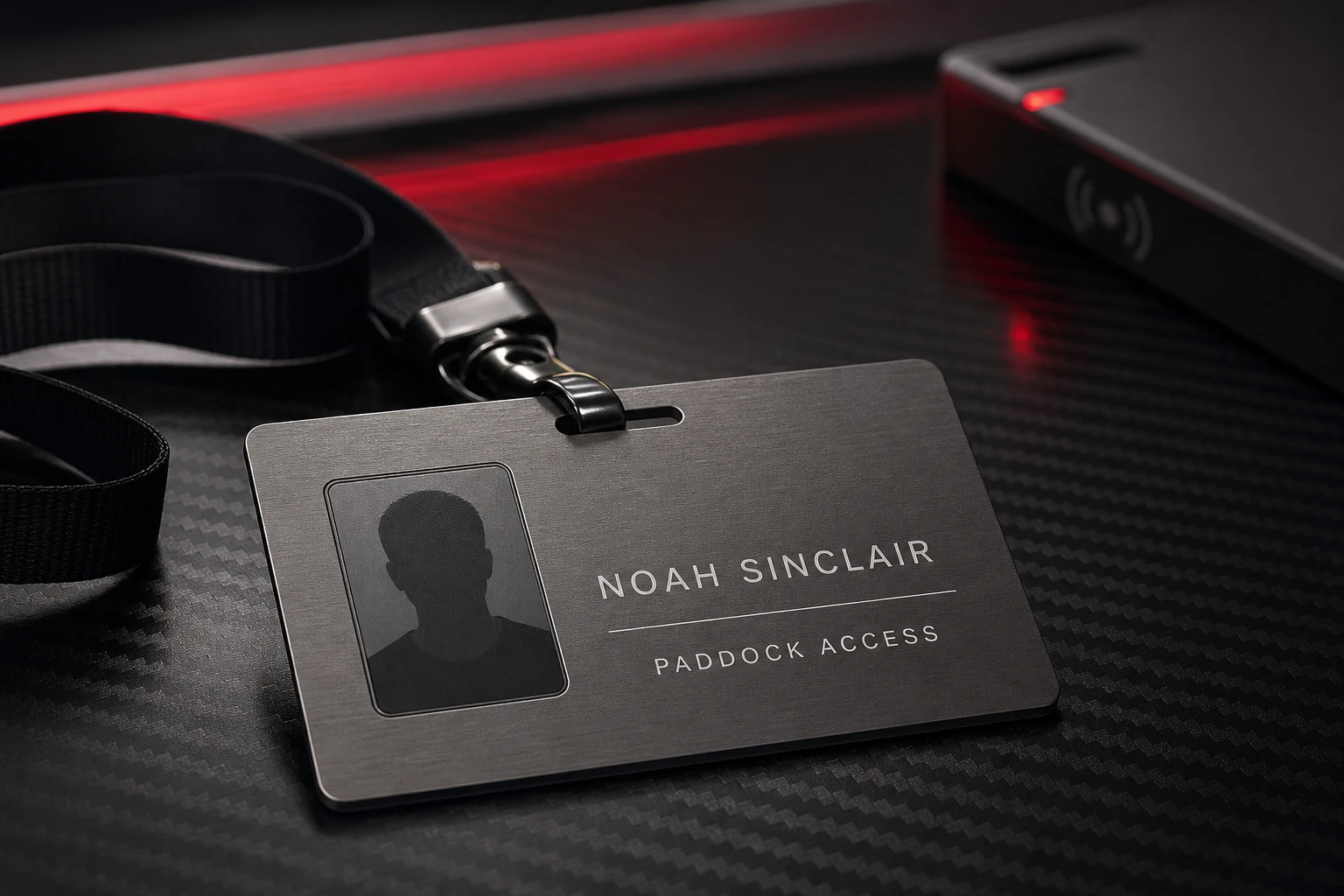
Metal RFID ID badges combine visible identity with a technical credential. They suit environments where the badge needs to withstand handling, signal authority, or match a premium brand—provided the reader, required visual fields, privacy rules, and replacement process are designed together.
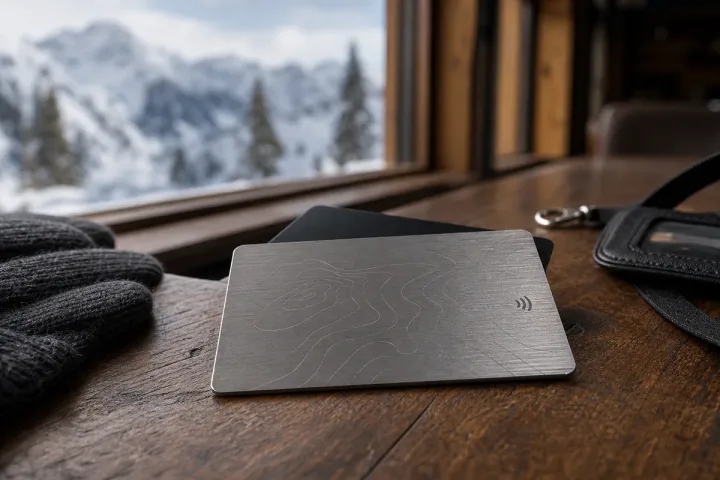
Identity and access builds
Give premium identity a credible operational role.
Executive, concierge, visitor, and special-access programmes need a badge that looks considered in hand while still proving its reader behaviour, visual hierarchy, and replacement workflow in real operations.
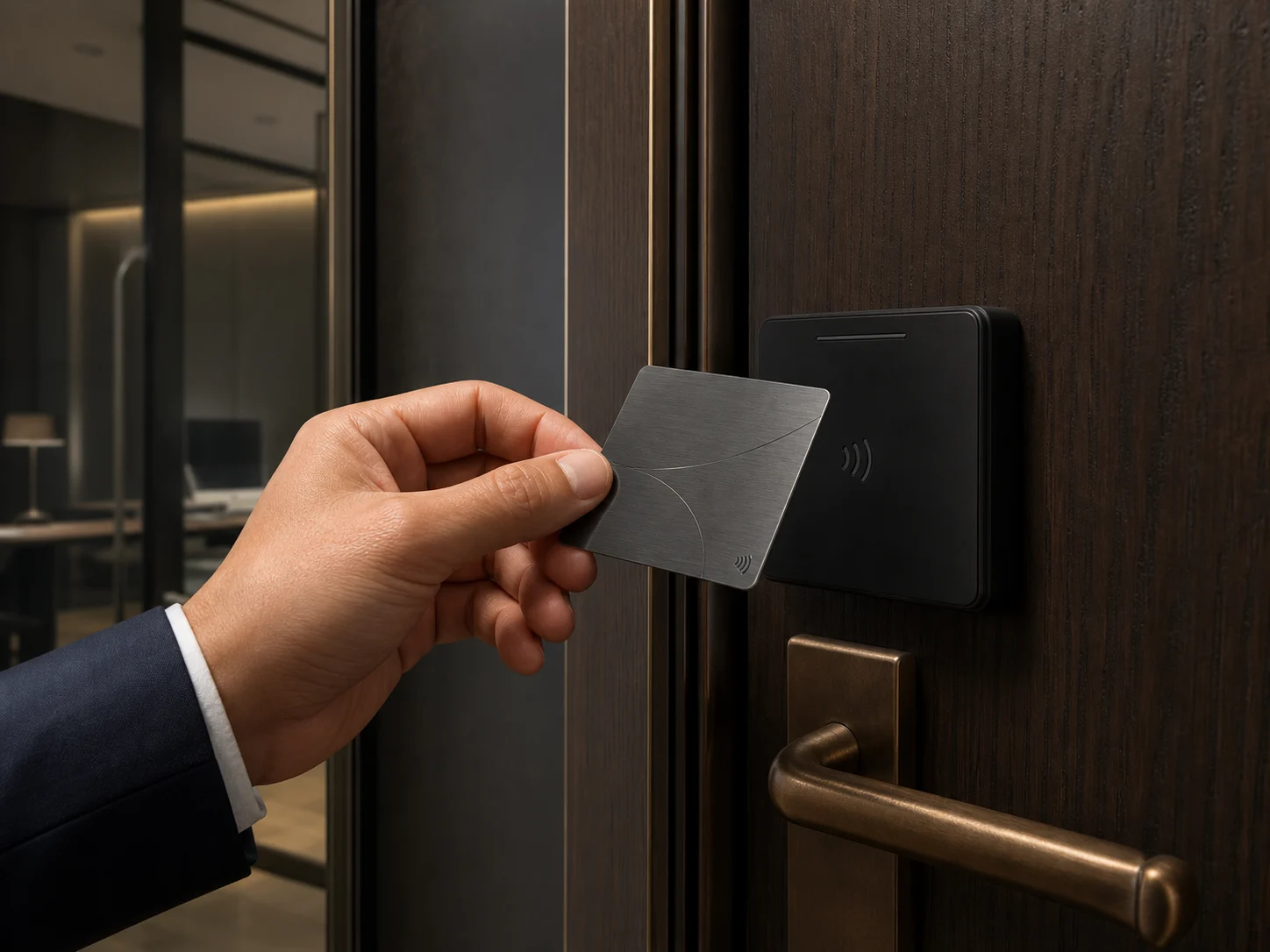
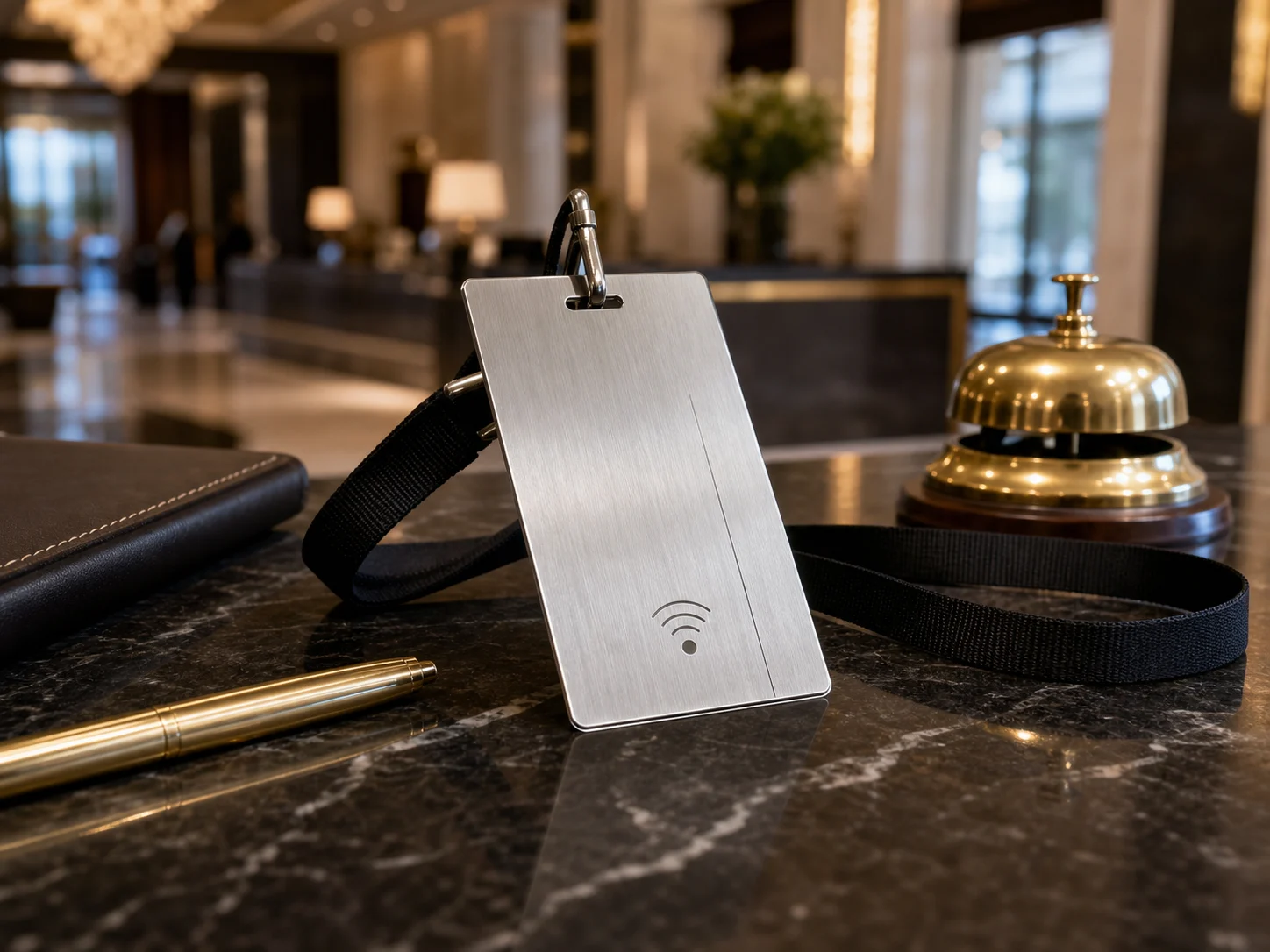
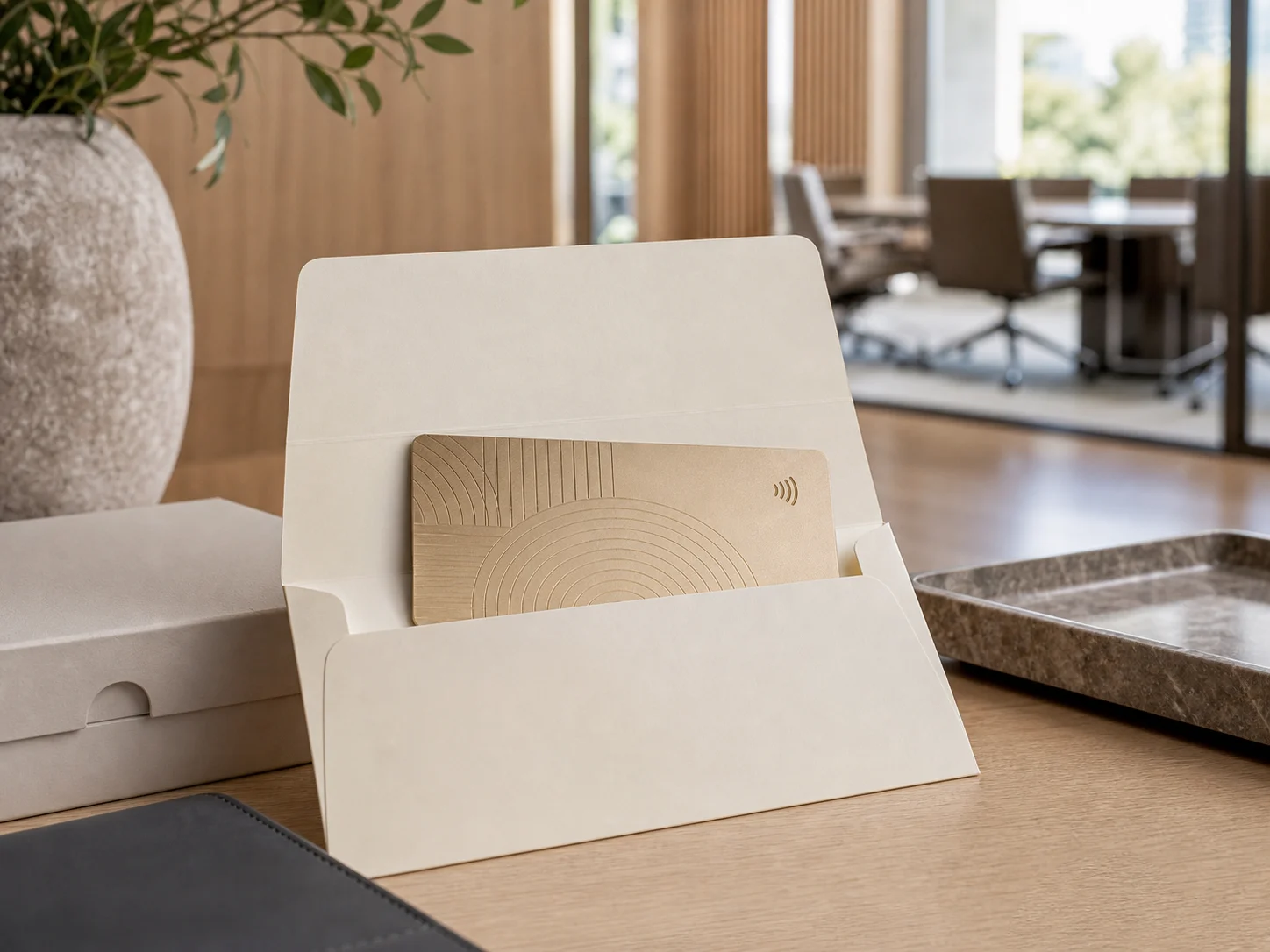
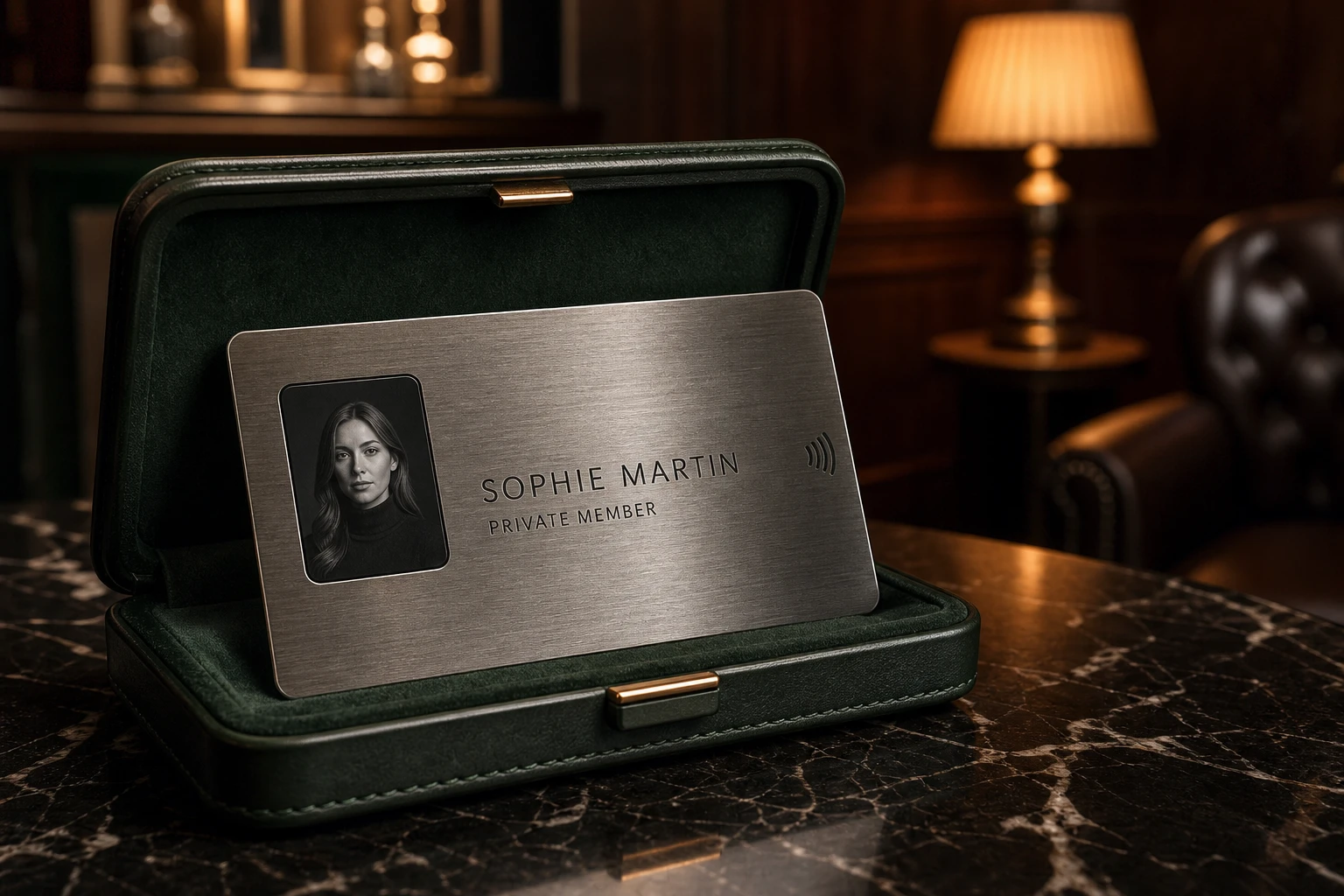
Make visual identity legible first.
Name, organisation, role, photo requirement, expiry, serial, and tier should be decided with the people who will recognise the badge in person. A premium surface cannot rescue an ID layout that is hard to scan at a glance.
Separate printed identity from encoded permissions.
A holder's printed name or serial may not be the same as the UID, access record, or secure credential stored in the chip. Map each source field, control who provides it, and verify the final batch against the access platform.
Plan the badge lifecycle.
Loss, role change, access revocation, expiry, and replacement all need a process. The card should support the programme, not become an uncontrolled permanent credential.
Best uses
- Executive, visitor, concierge, and premium service-team credentials
- Corporate, residential, hospitality, security, and technical environments
- Short-run or special-access badges requiring a durable premium finish
- Programs that can test the real badge on the intended reader estate
Frequently asked questions
Can a metal badge include both a visible ID and RFID access?
Yes. The layout can carry visible holder details while the chip holds the reader-specific data, provided both pieces are checked against the programme's privacy and access requirements.
Are metal badges suitable for a full workforce rollout?
They can be, but are usually strongest for executive, visitor, special-access, concierge, or premium service tiers. A reader and handling trial should guide the rollout decision.
Specification
| Format | CR80 85.6 x 54 mm by default; custom outlines after RF review |
|---|---|
| Thickness | 0.3 mm to 0.8 mm depending on construction |
| Minimum order | None — single samples to production runs |
| Production time | About one week after artwork and sample approval |
| RF construction | Antenna, ferrite or hybrid shielding, chip, metal faces, and edge stack specified together |
| Chip routes | NFC tag, standard HF, high-security AES HF, LF compatibility, and selected UHF by reader test |
| Marking options | Laser etch, deep engraving, UV print, white ink, enamel fill, QR, serial, and controlled cut-through |
| Approval flow | Finish sample, encoded working sample, reader check, pre-production approval |
| Identity fields | Name, role, employee or visitor ID, photo by policy, expiry, serial, organisation mark |
| Access inputs | Reader model, chip requirement, UID or secure data format, zone rules, replacement process |
| Finish fit | Brushed stainless, matte black, titanium gunmetal, mirror, carbon hybrid |
| Critical check | Visual-ID proof, encoded reader test, data reconciliation, and revocation/replacement workflow |
Related metal RFID card pages
- Metal Hotel Key Cards
- Metal NFC Business Cards
- Metal Membership Cards
- Metal Event Passes
- Metal Loyalty Cards
- Metal Gift Cards
- Custom Metal RFID Cards