Depends on chip route
Metal RFID Card Encoding
Metal RFID card encoding is the production step that writes each card's data — UIDs, NDEF records, access credentials, serials — and reconciles it against artwork, packaging, and the buyer's system before dispatch. Done properly it is one controlled file flowing through chip, print, and box label; done loosely it is how a premium batch arrives unusable.
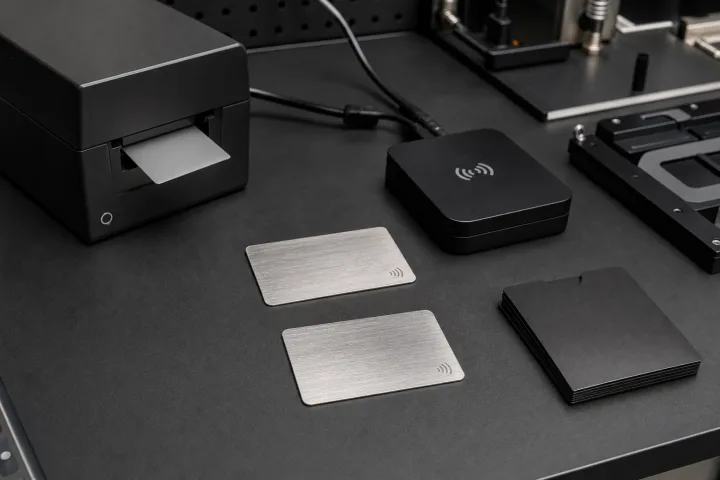
Encoding route brief
| Frequency | Depends on chip route |
|---|---|
| Best use | The production layer connecting metal cards to software, access systems, members, rooms, URLs, or packaging. |
| Chip route | Works across NFC tag, standard HF, high-security AES HF, LF, UHF, and other approved chip routes. |
| Phone behavior | Relevant when NFC records, QR fallback, or mobile landing pages are part of the workflow. |
| Encoding | UID exports, NDEF records, access data, QR, serials, member names, room zones, box mapping, and CSV reconciliation. |
| Approval check | Approve one source file for artwork, data, scan tests, box labels, and the replacement workflow. |
Visual references
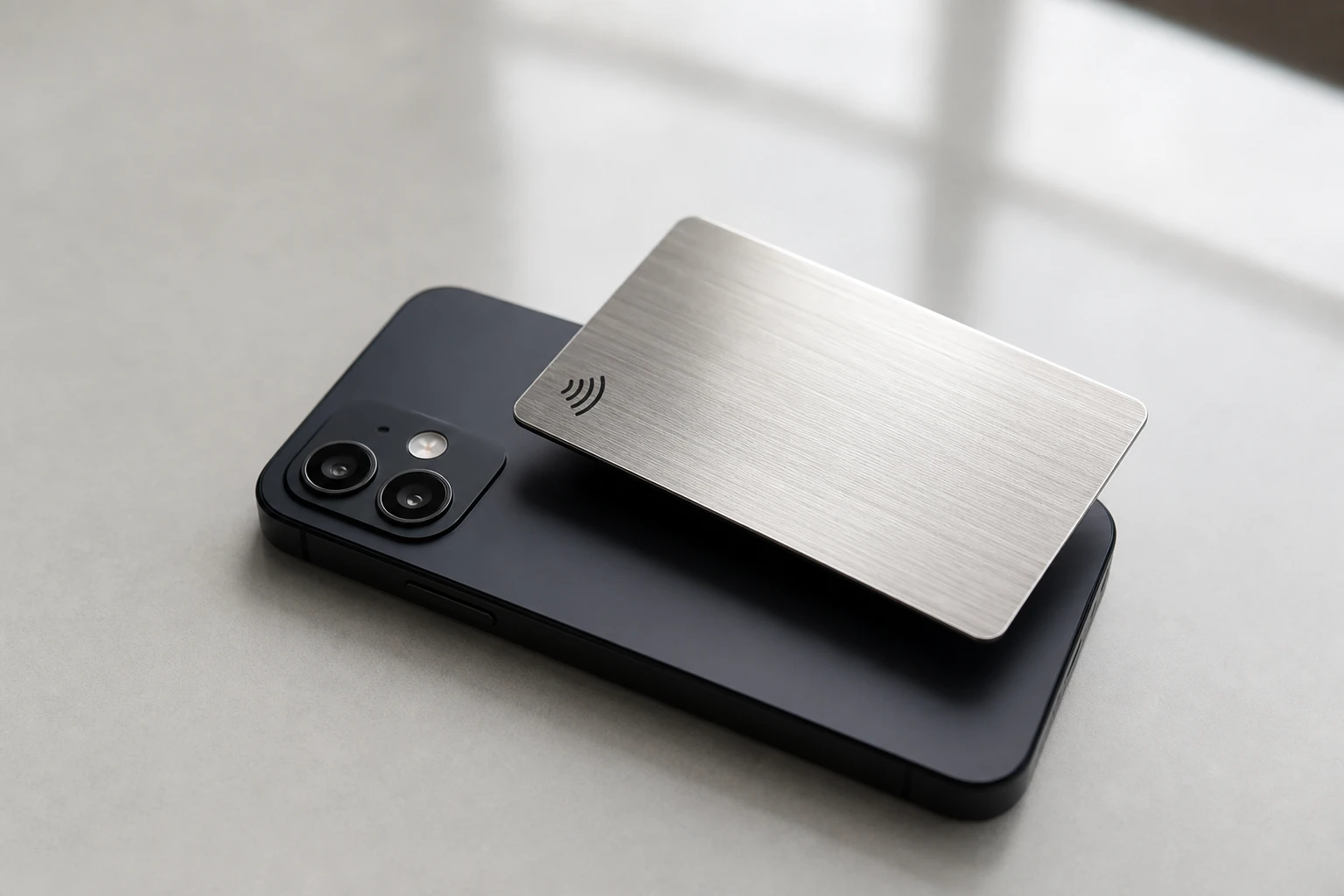
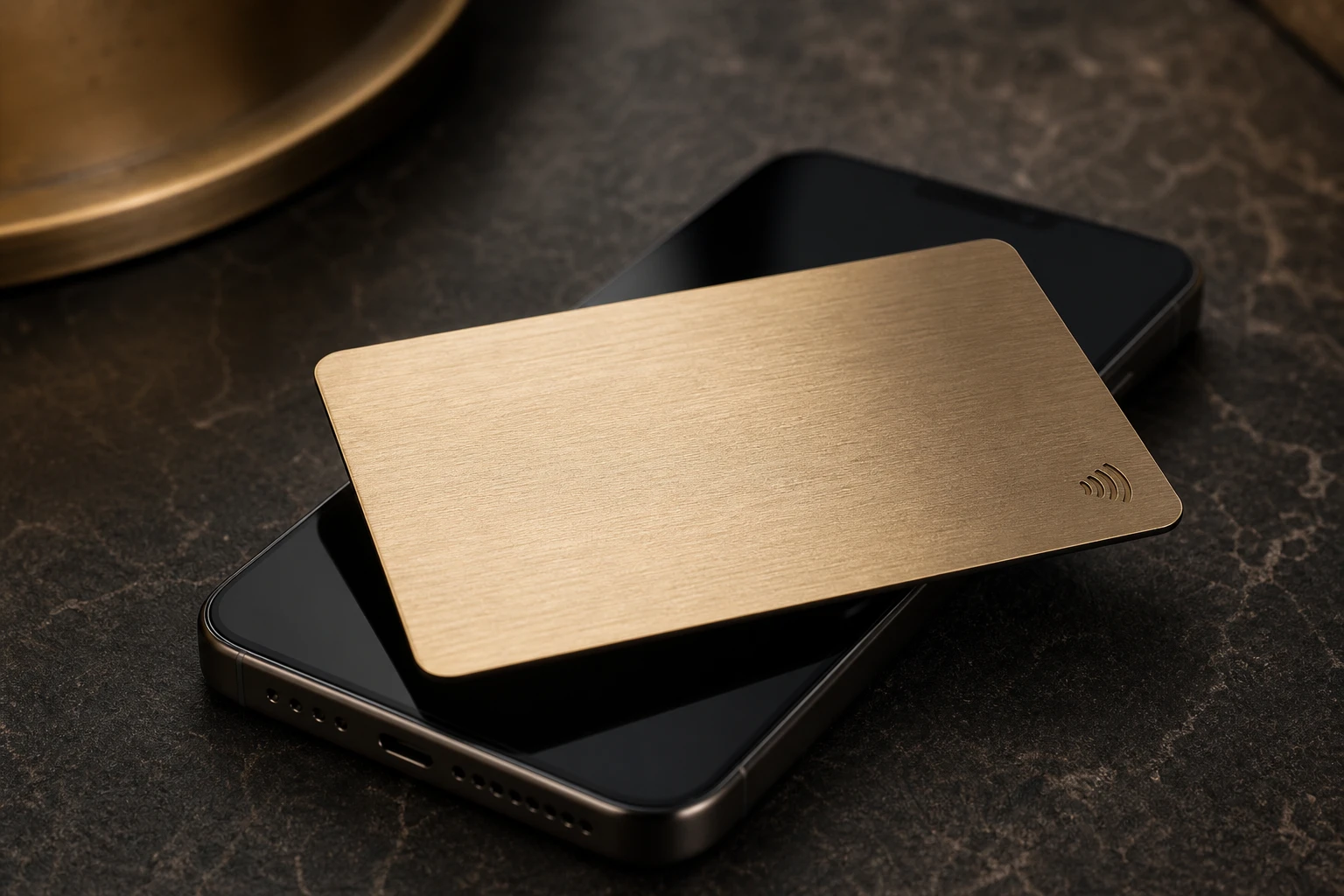
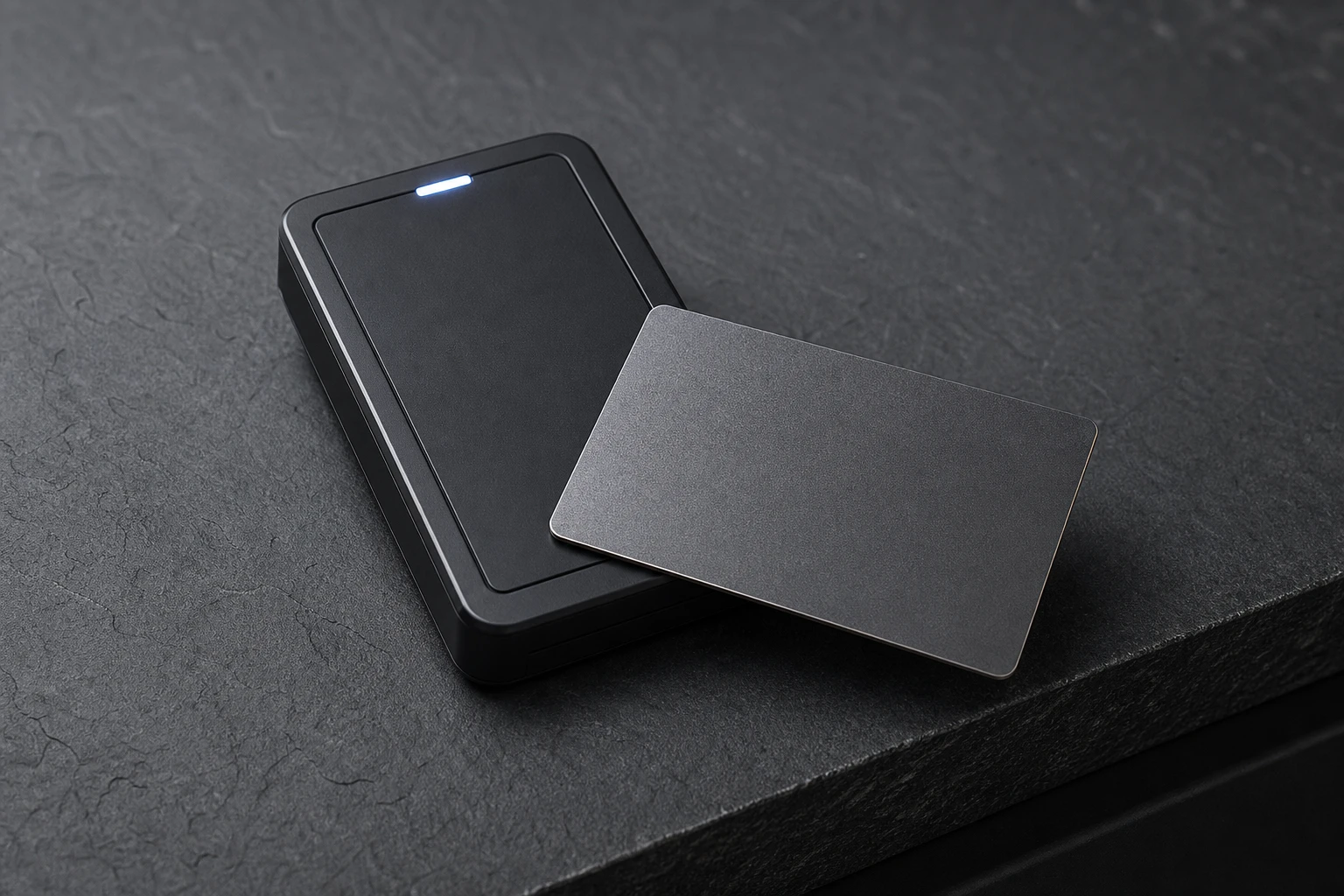
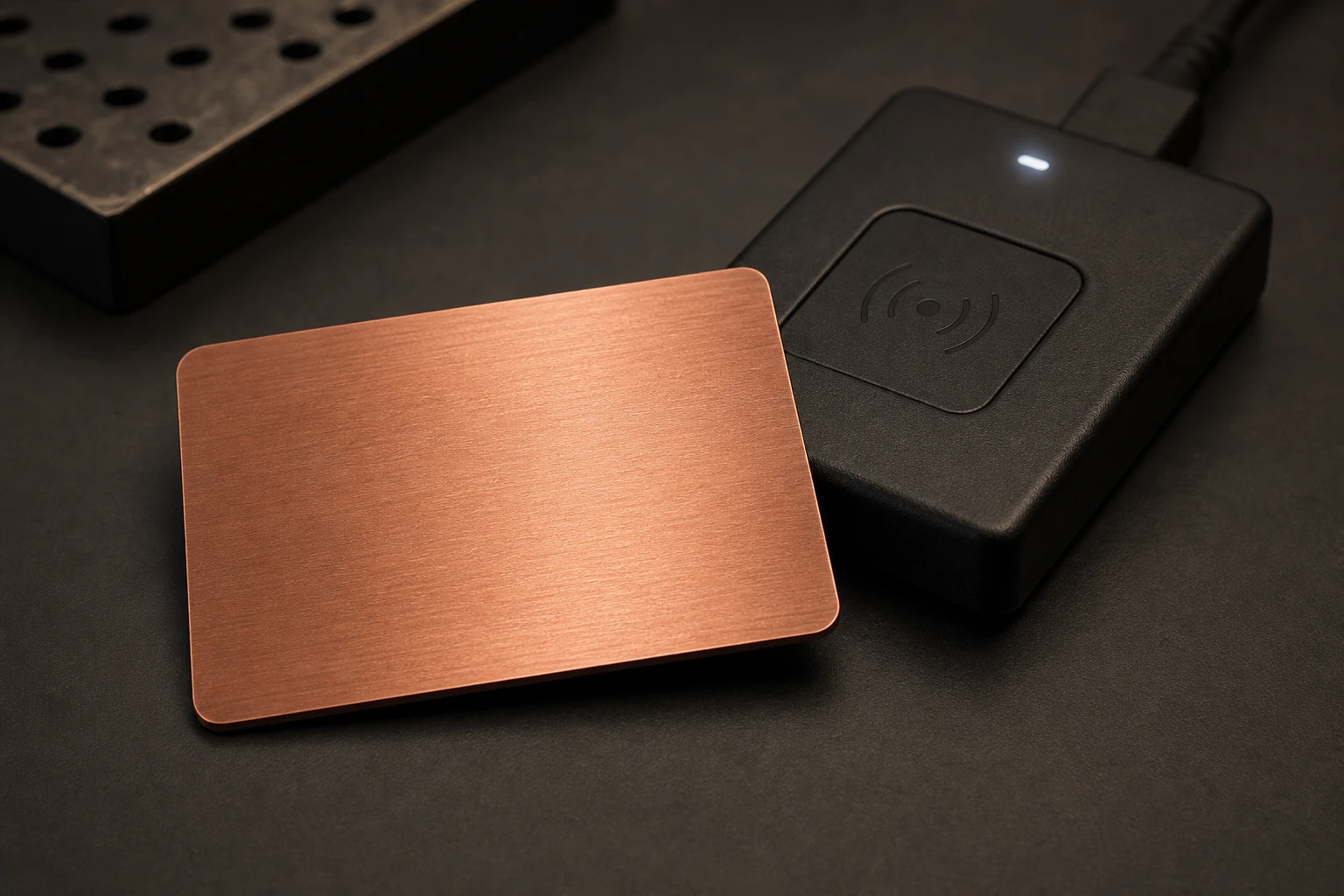
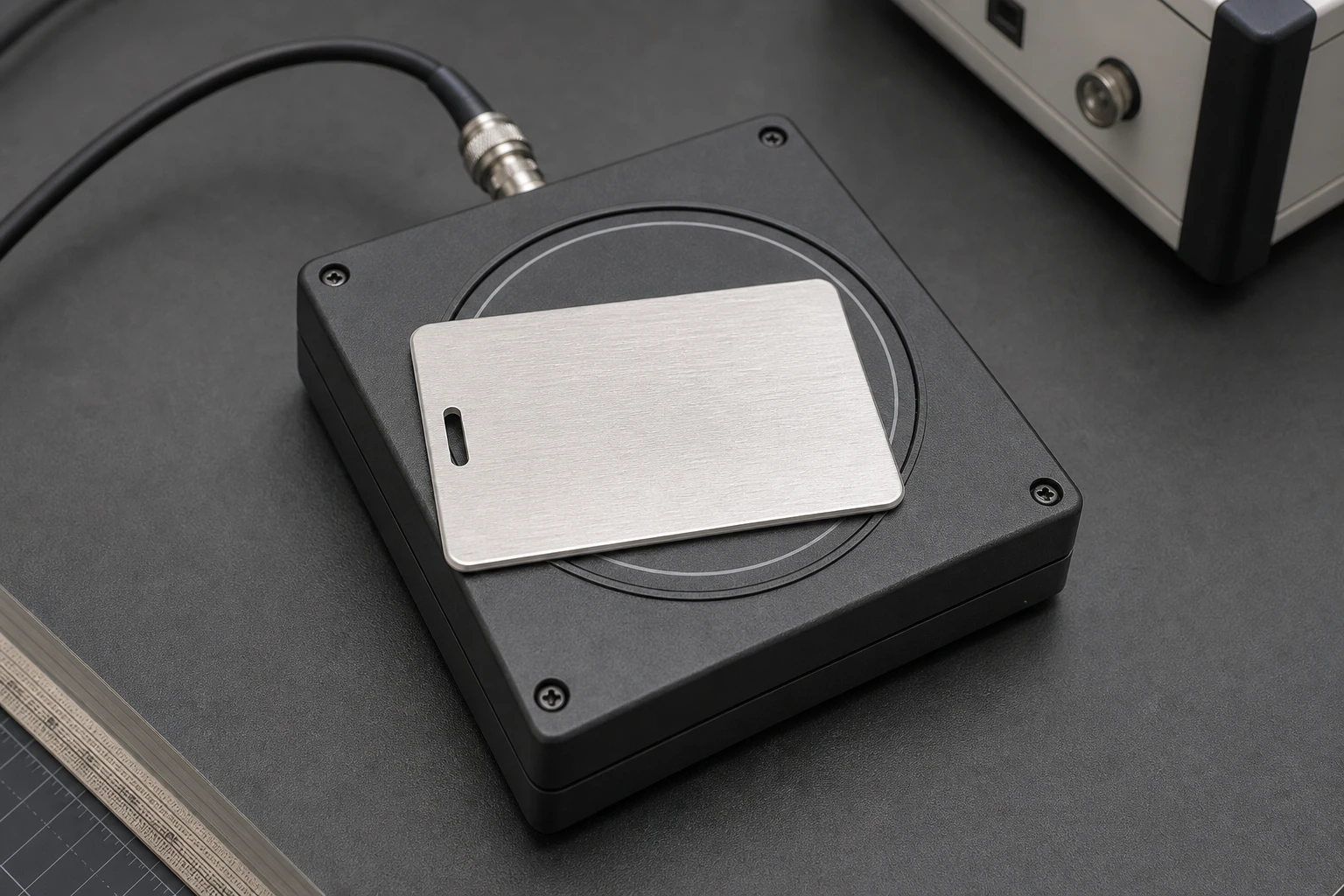
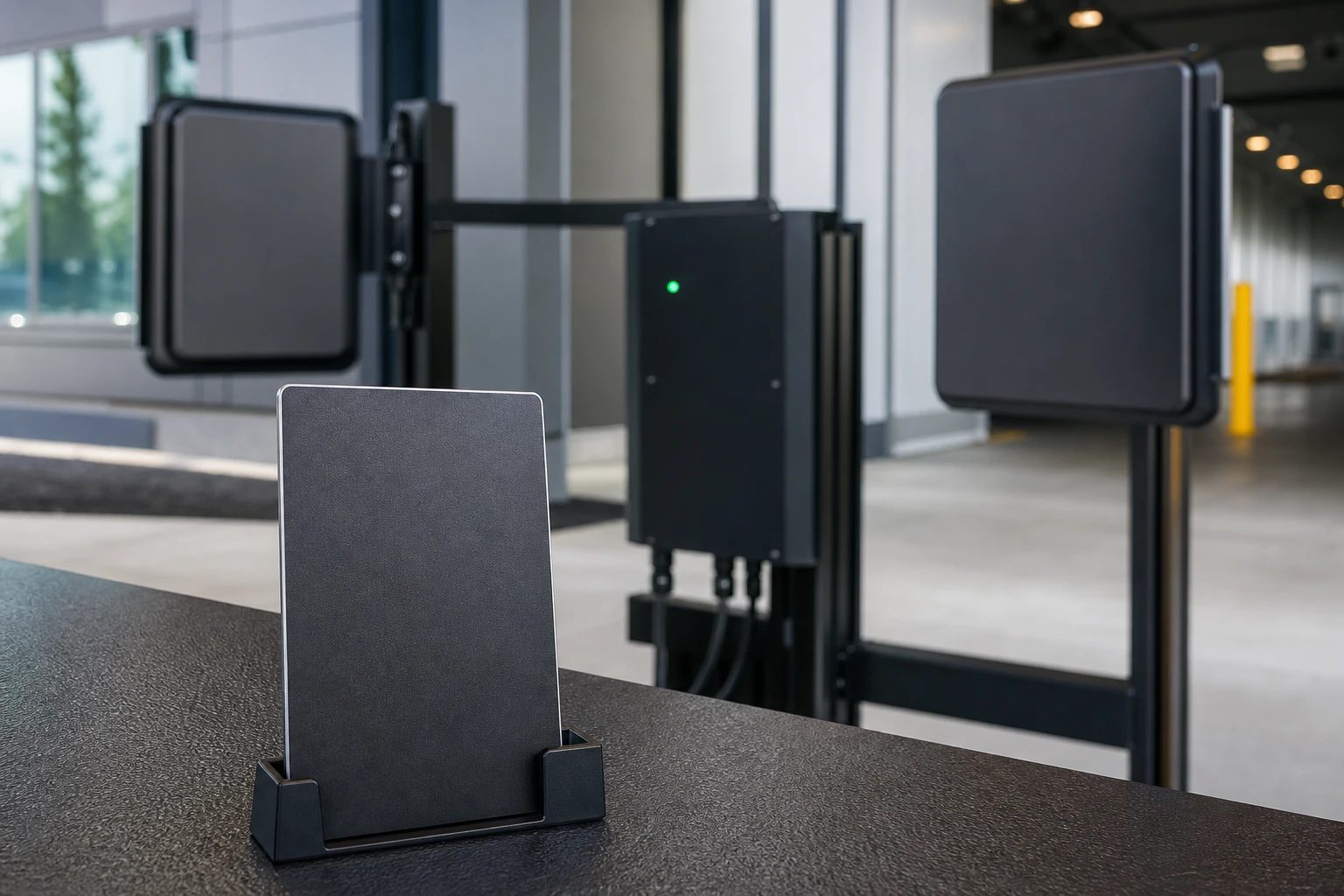
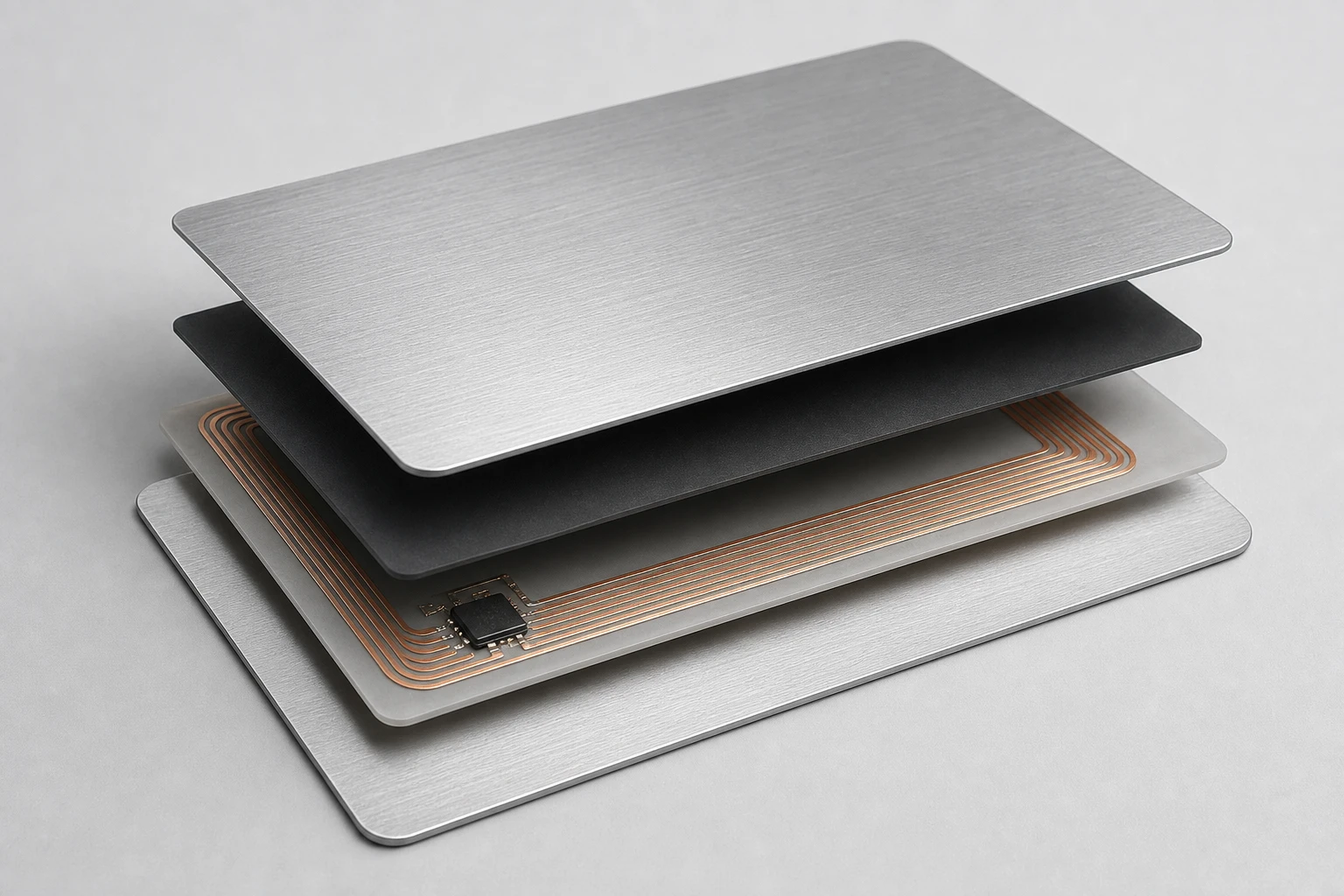
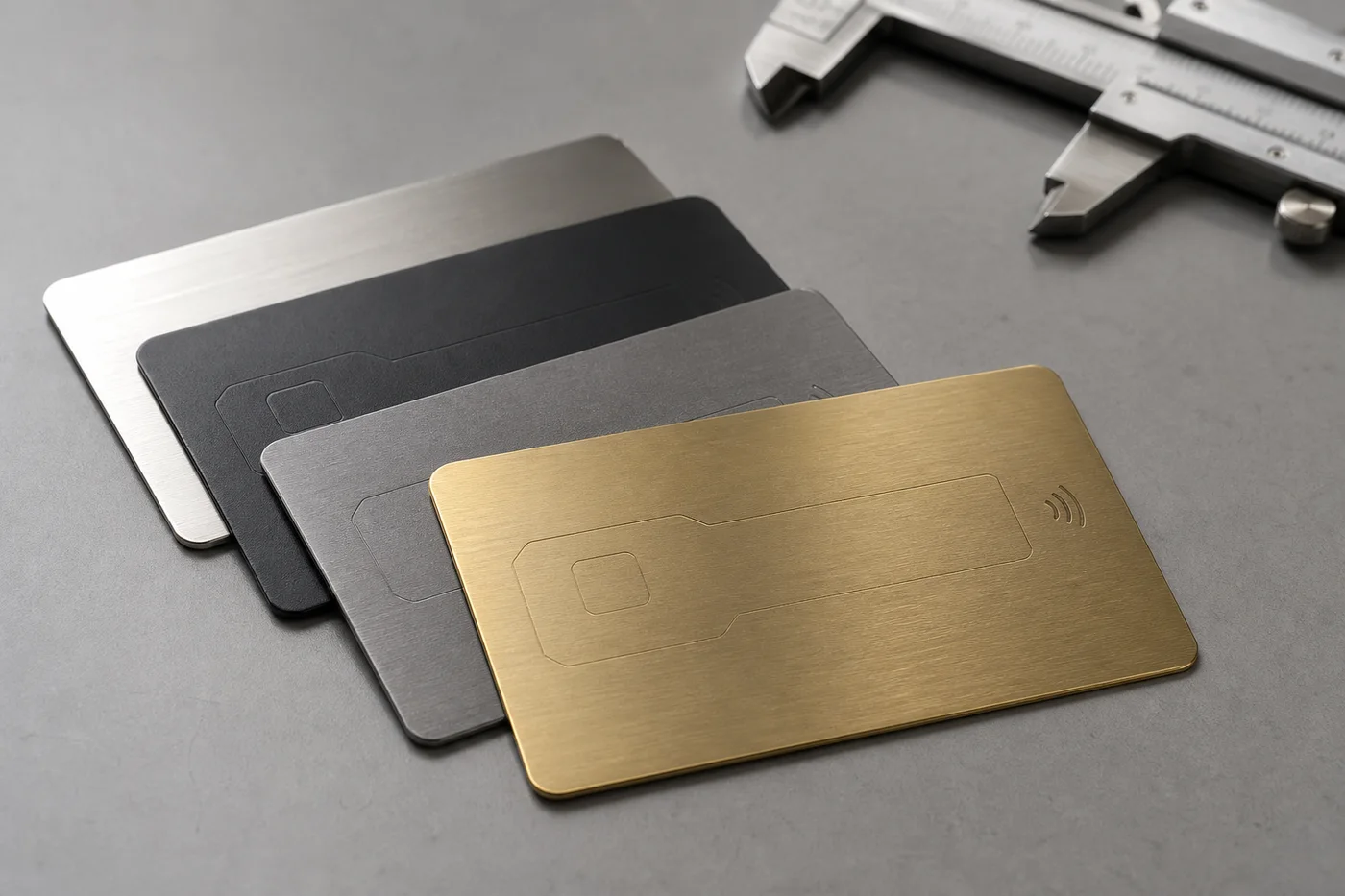
One source file, or three quiet disagreements.
The chip data, the printed serial, and the box label must come from the same approved file. Typical outputs include a UID export for the access platform, scan-verified QR payloads, and a CSV that reconciles card, print, and packaging line by line. Replacement cards follow the same file, so a reissued credential never collides with a live one.
Approve a working sample in the real environment.
Approve one source file for artwork, data, scan tests, box labels, and the replacement workflow.
Best uses
- The production layer connecting metal cards to software, access systems, members, rooms, URLs, or packaging.
- Metal card programs that can validate a finished encoded sample on the target reader
- Projects that need print, serial, QR, packaging, and data handling reconciled in one approved brief
Frequently asked questions
Can metal RFID cards be encoded before delivery?
Yes. UID lists, NDEF records, access data, QR payloads, and serials are written and verified in production, with output files — typically a UID export and a reconciliation CSV — delivered for the access platform or CRM.
What data can a metal card batch carry?
Whatever the chip route supports: NDEF URLs and vCards on NFC tag, platform data on standard and high-security HF, format encoding on LF and programmable 125 kHz, EPC data on UHF — plus printed QR, serials, and names matched to the same file.
How are encoding mistakes prevented?
By refusing to let chip data, printed serials, and box labels come from different files. One approved source file drives all three, every QR is scan-verified, and the reconciliation CSV is checked line by line before dispatch.
Specification
| Format | CR80 85.6 x 54 mm by default; custom outlines after RF review |
|---|---|
| Thickness | 0.3 mm to 0.8 mm depending on construction |
| Minimum order | None — single samples to production runs |
| Production time | About one week after artwork and sample approval |
| RF construction | Antenna, ferrite or hybrid shielding, chip, metal faces, and edge stack specified together |
| Chip routes | NFC tag, standard HF, high-security AES HF, LF compatibility, and selected UHF by reader test |
| Marking options | Laser etch, deep engraving, UV print, white ink, enamel fill, QR, serial, and controlled cut-through |
| Approval flow | Finish sample, encoded working sample, reader check, pre-production approval |
| Frequency | Depends on chip route |
| Chip route | Works across NFC tag, standard HF, high-security AES HF, LF, UHF, and other approved chip routes. |
| Phone behavior | Relevant when NFC records, QR fallback, or mobile landing pages are part of the workflow. |
| Encoding | UID exports, NDEF records, access data, QR, serials, member names, room zones, box mapping, and CSV reconciliation. |
| Approval check | Approve one source file for artwork, data, scan tests, box labels, and the replacement workflow. |
Related metal RFID card pages
- LF Metal RFID Cards
- HF NFC Metal RFID Cards
- NFC Tag Metal RFID Cards
- Entry-level HF Metal RFID Cards
- AES-secured HF Metal RFID Cards
- Standard HF Metal RFID Cards
- High-security AES Metal RFID Cards
- UHF Metal RFID Cards
- Programmable 125 kHz Metal RFID Cards
- RFID UID Converter & Wiegand 26-bit Calculator