Private membership
Metal Membership Cards
A membership card in metal is a visible tier signal — but its technical job can range from a simple NFC profile tap to a secure access credential. The program defines the tier system, reader or phone behavior, data, mark contrast, packaging, and replacement process before sampling begins.
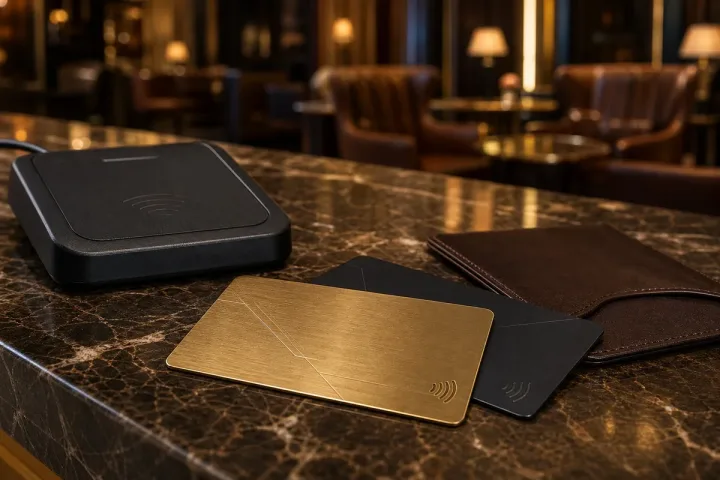
Membership card directions
Give a private membership the weight of a real-world privilege.
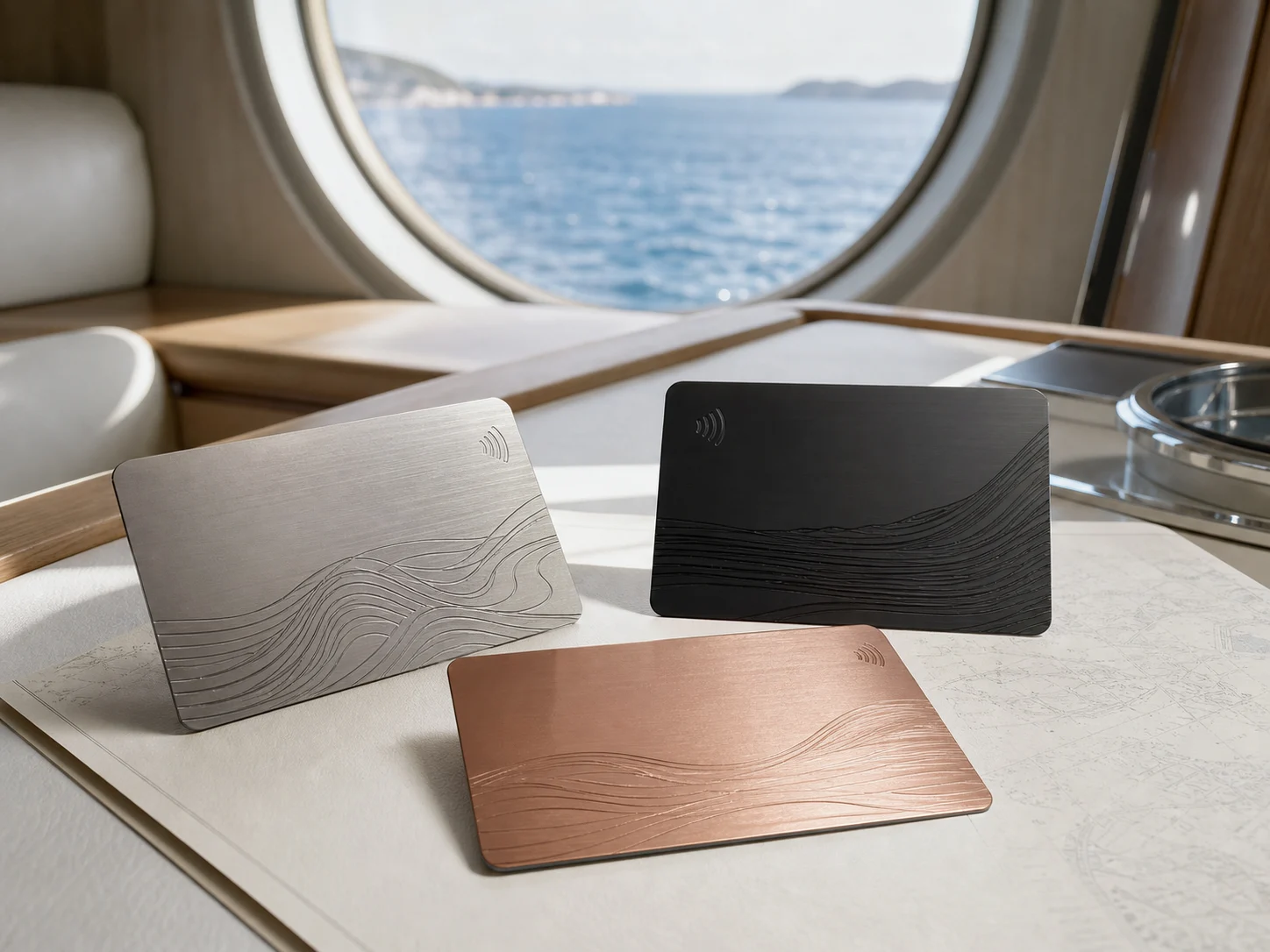
For yacht clubs, private marinas, elite hospitality, and members-only venues, the card should be a considered object at issue, a dependable access credential at the gate, and a clear tier signal in hand.
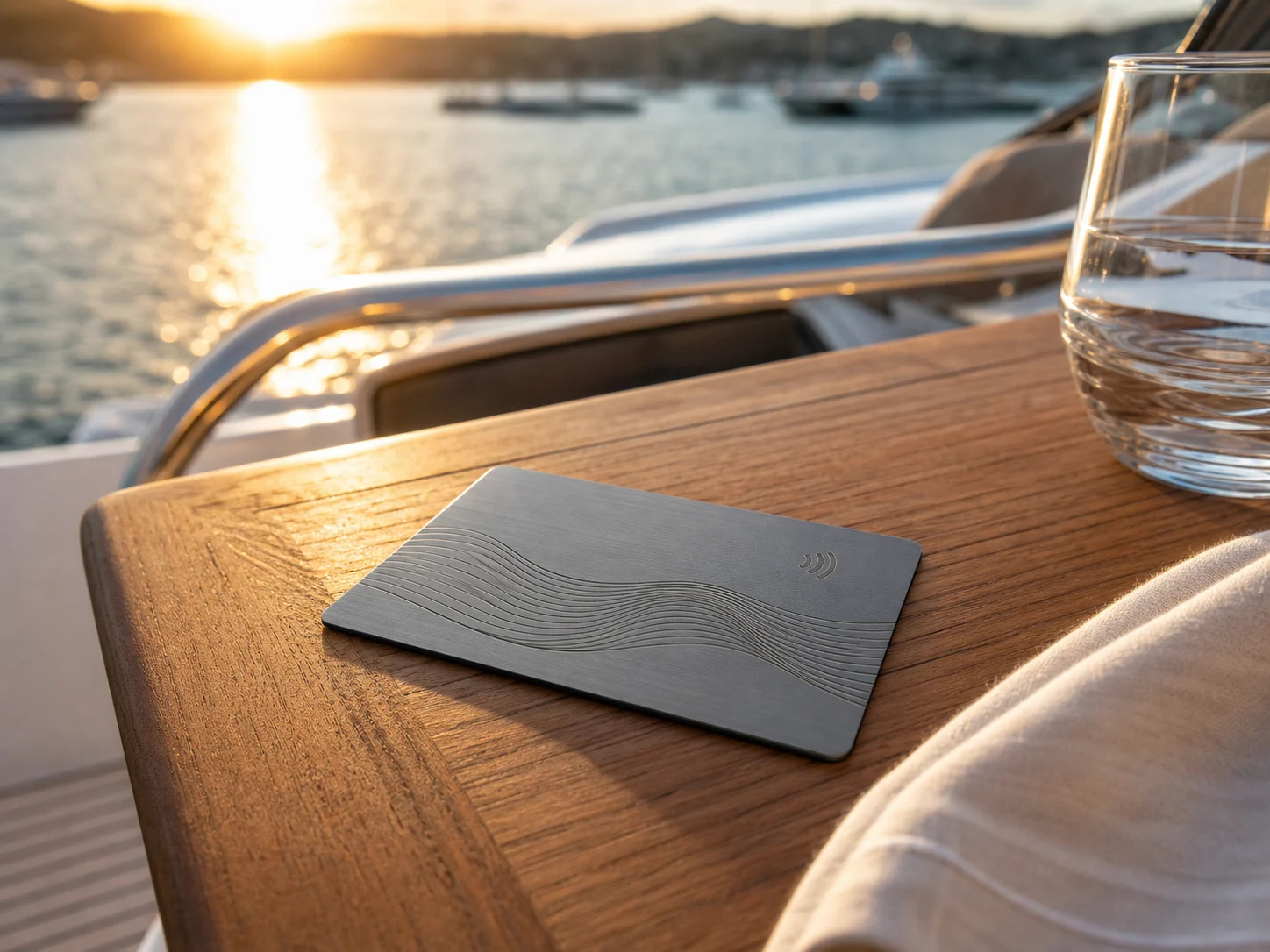
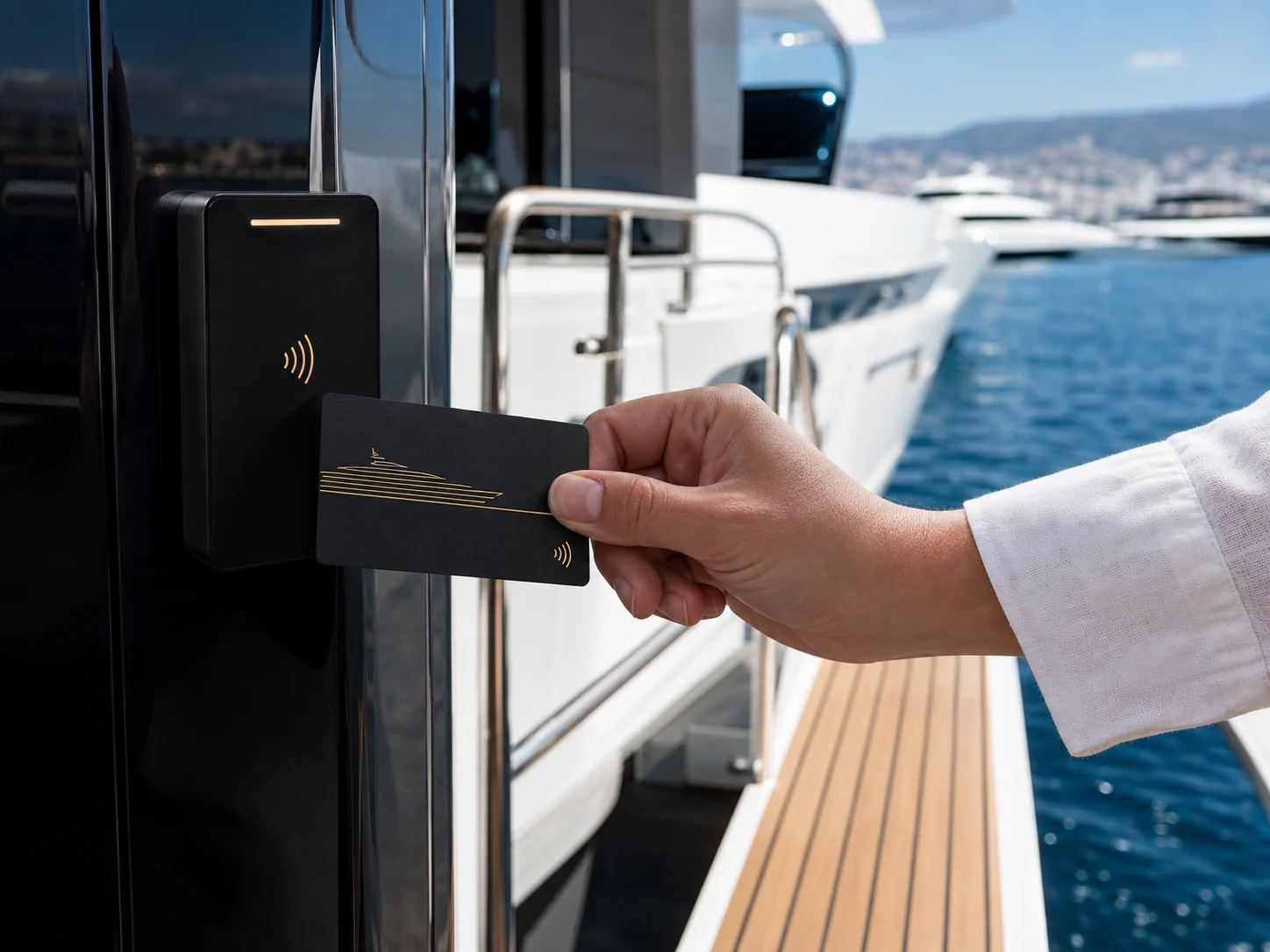
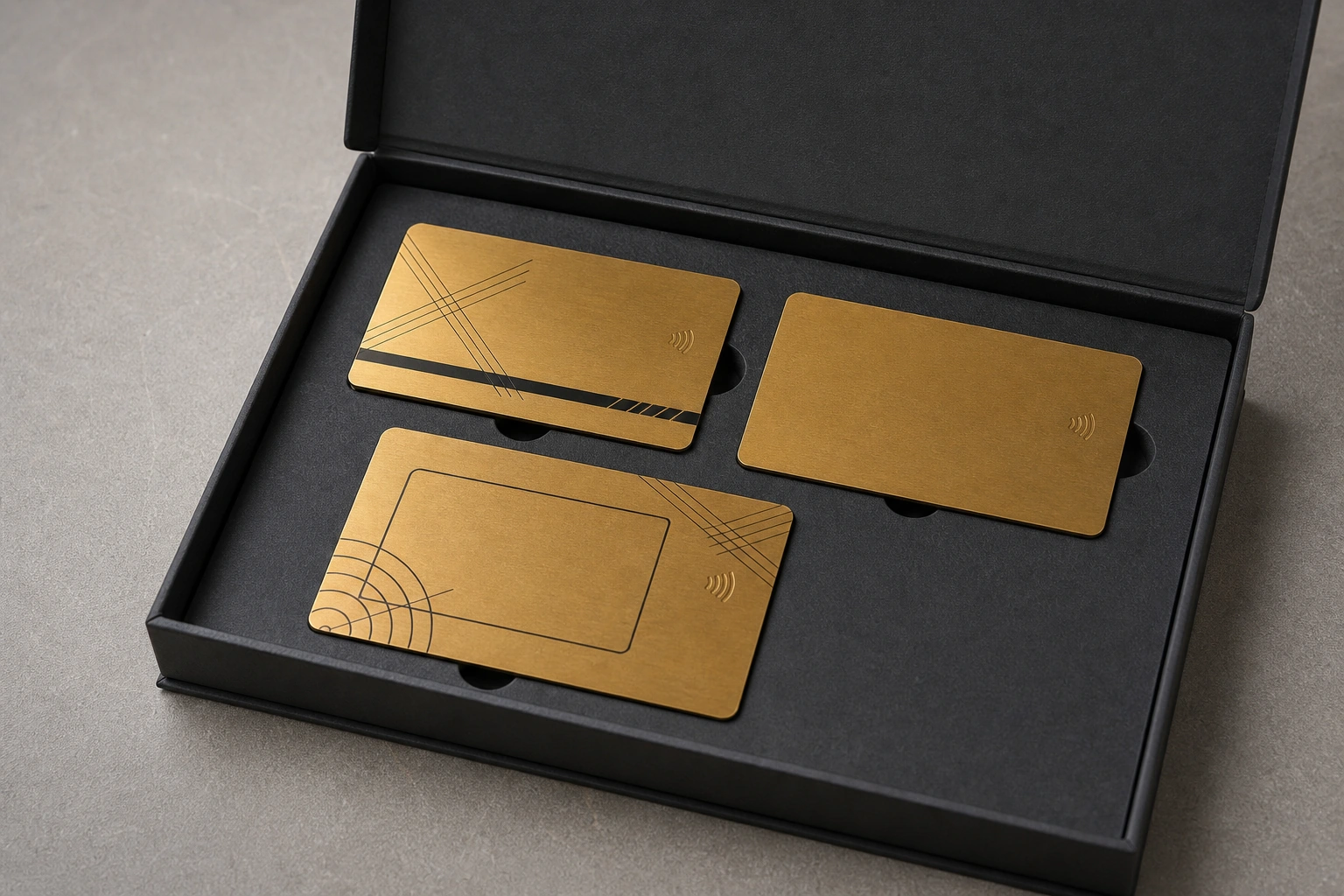
Define what the card actually proves.
A metal member card can be a visible status object, an access credential, a digital profile link, or a combination. Establish what staff, readers, members, and partners need it to do before choosing the chip and finish.
Create a tier system, not eight unrelated designs.
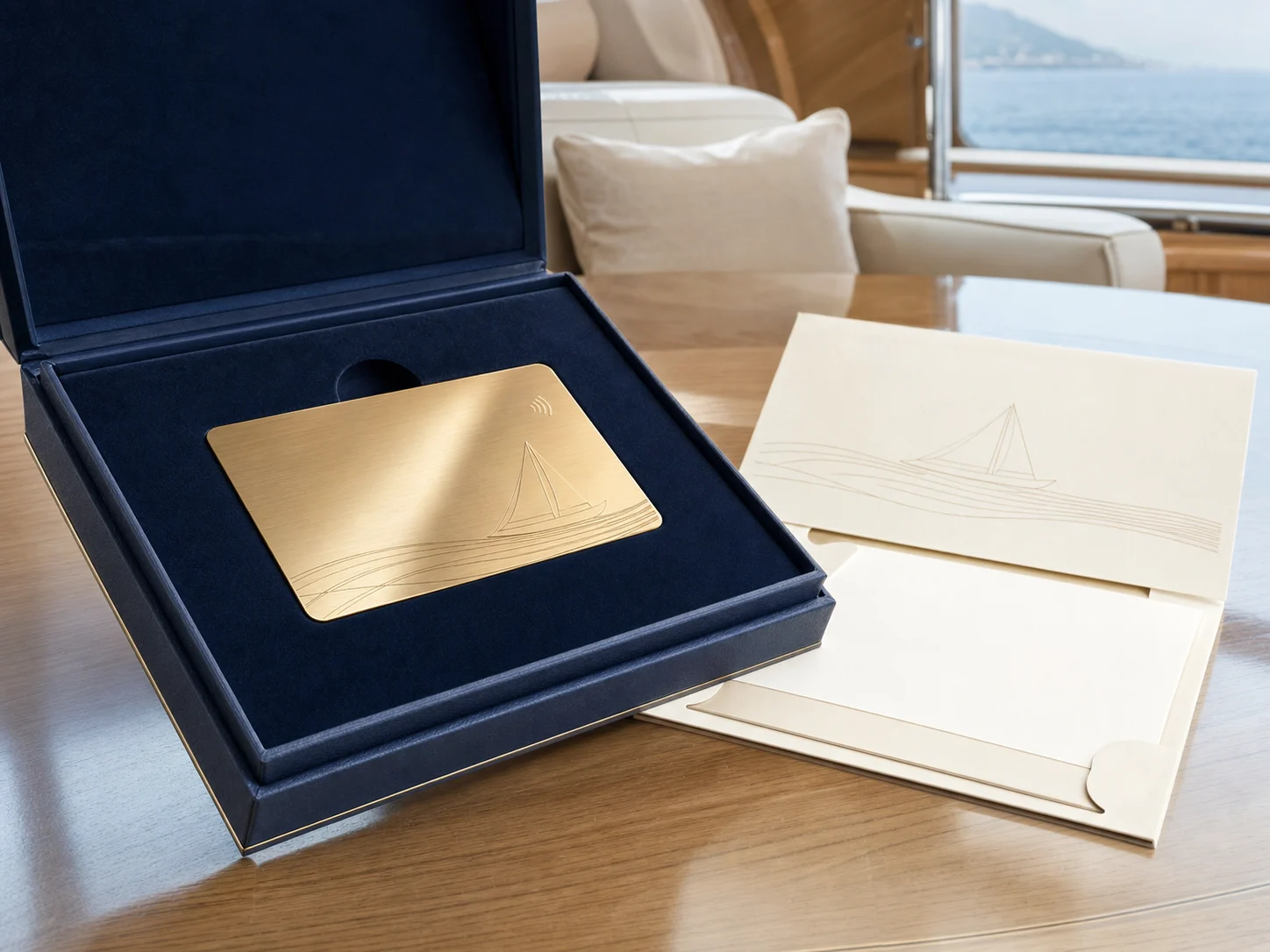
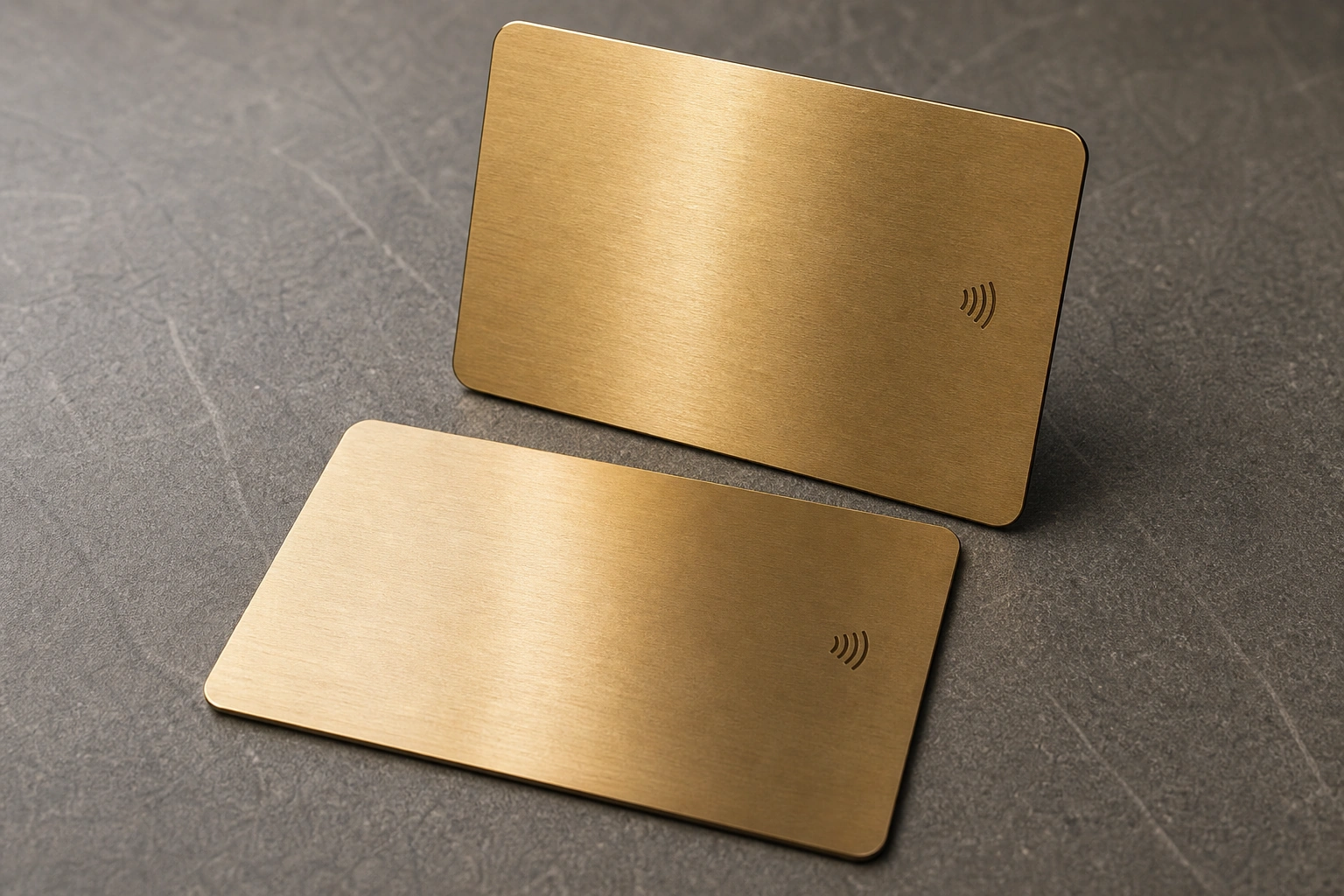
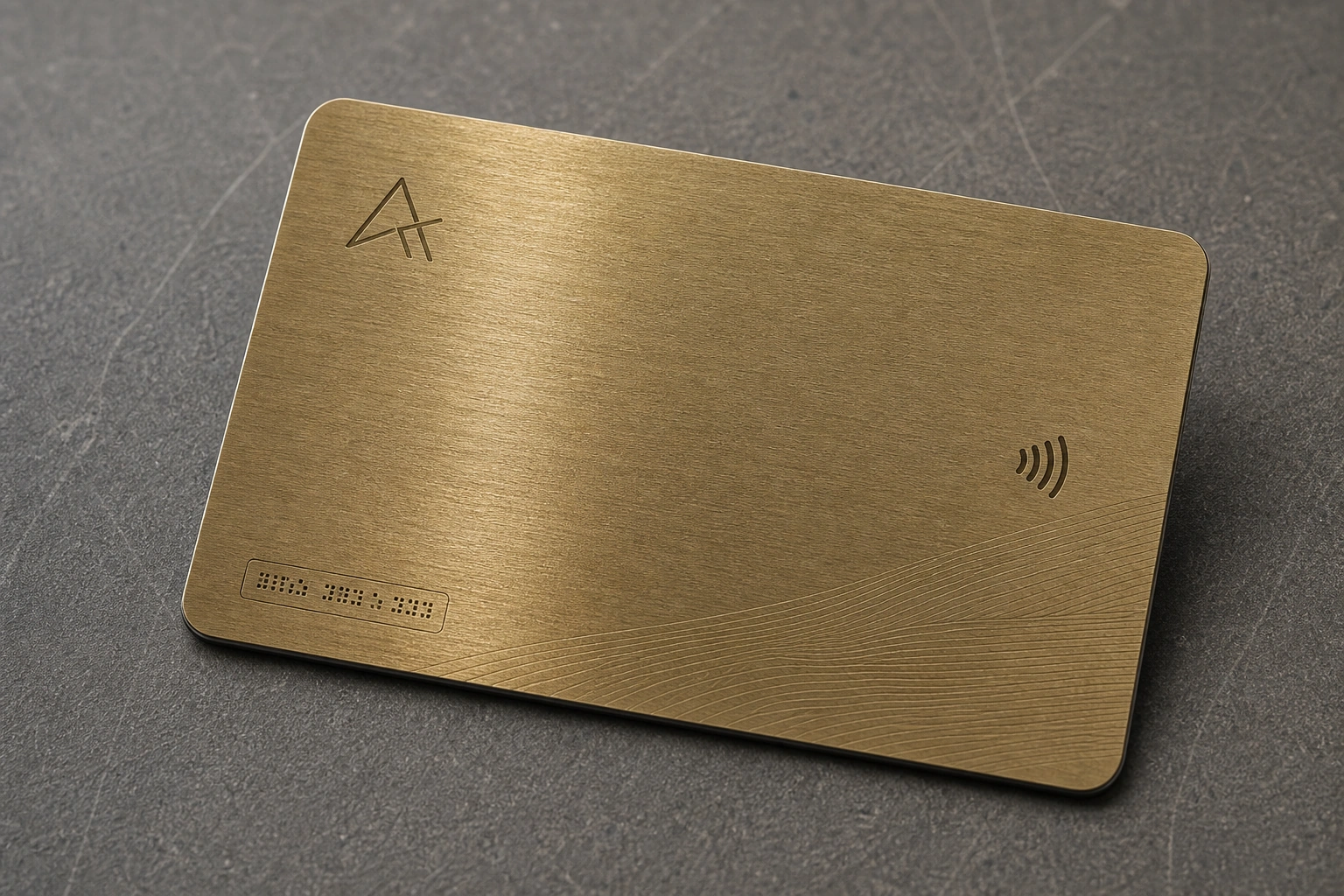
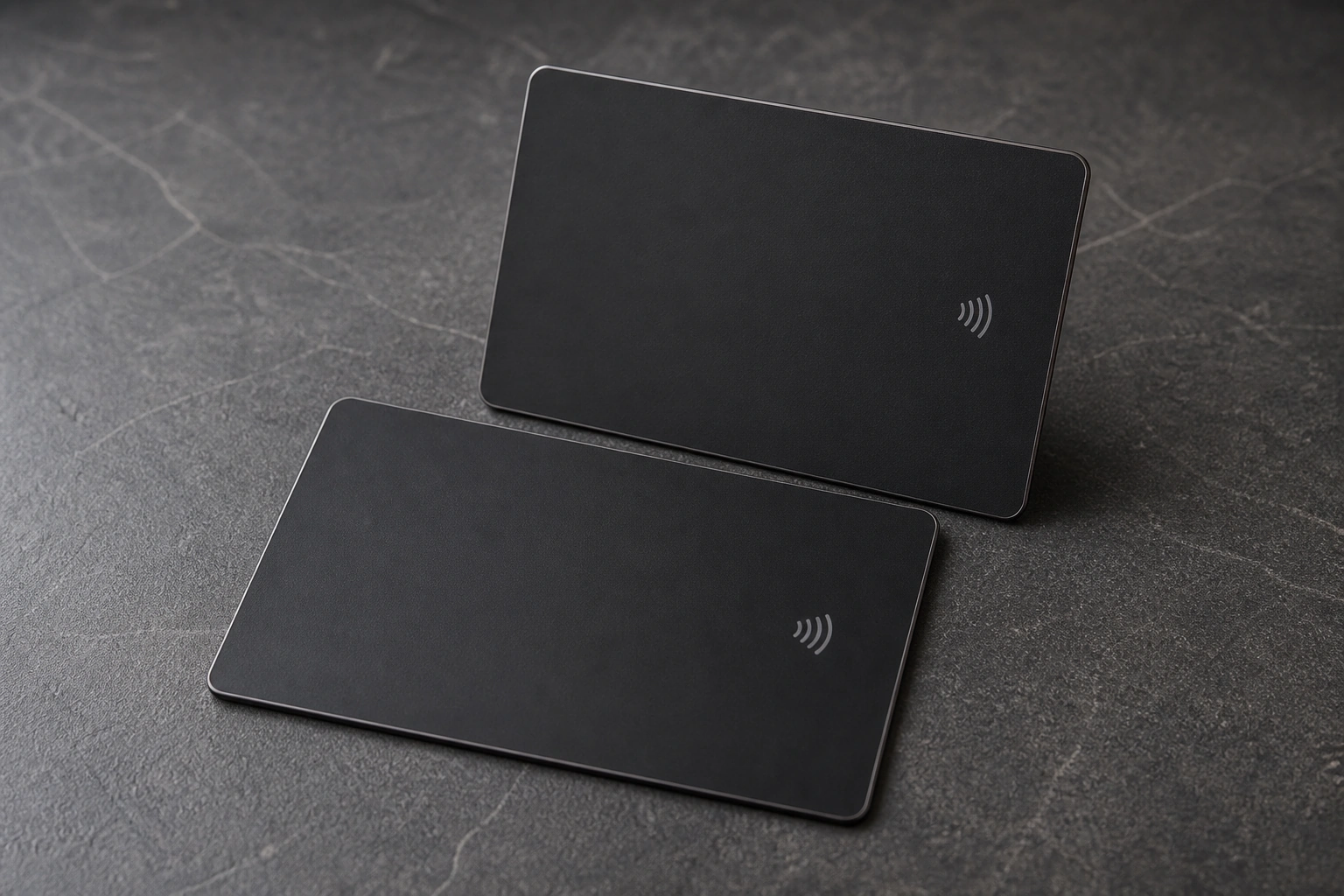
A considered system can use material, plating, engraving, edge tone, member numbering, and packaging to differentiate tiers while retaining a single readable brand language and operational format.
Plan issuance, replacement, and privacy early.
Member IDs, expiry data, access permissions, and printed names should be governed by the program's privacy rules. A replacement process and data-matching file prevent a premium credential from becoming an operational liability.
Best uses
- Private clubs, golf, ski, yacht, and members-only venues
- Luxury hospitality, wellness, residence, and concierge programs
- Automotive, motorsport, collector, and invitation-only communities
- Founder, elite, lifetime, and VIP member tiers
Frequently asked questions
Can metal membership cards carry access credentials?
Yes. The chip and RF stack are selected around the club's reader or lock system, and an encoded working sample should be approved before issue.
Can each member receive a different number or QR code?
Yes. Member ID, tier, serial, QR, UID matching, and packaging labels can be prepared from a controlled variable-data file.
Specification
| Format | CR80 85.6 x 54 mm by default; custom outlines after RF review |
|---|---|
| Thickness | 0.3 mm to 0.8 mm depending on construction |
| Minimum order | None — single samples to production runs |
| Production time | About one week after artwork and sample approval |
| RF construction | Antenna, ferrite or hybrid shielding, chip, metal faces, and edge stack specified together |
| Chip routes | NFC tag, standard HF, high-security AES HF, LF compatibility, and selected UHF by reader test |
| Marking options | Laser etch, deep engraving, UV print, white ink, enamel fill, QR, serial, and controlled cut-through |
| Approval flow | Finish sample, encoded working sample, reader check, pre-production approval |
| Program data | Member ID, tier, issue date, expiry, UID, secure access data, QR or NFC profile |
| Tier options | Brushed steel, matte black, gold, brass, rose gold, gunmetal, carbon hybrid |
| Packaging | Sleeve, rigid box, onboarding insert, tier-specific message, replacement pack |
| Critical check | Reader or phone behavior, name/number personalization, and member presentation sample |
Related metal RFID card pages
- Metal Hotel Key Cards
- Metal NFC Business Cards
- Metal Event Passes
- Metal Loyalty Cards
- Metal RFID ID Badges
- Metal Gift Cards
- Custom Metal RFID Cards