Program planning guide · 7 min read
Seven Benefits an Automotive VIP Card Can Support
The card is not the benefit. It is the durable identity and access point for a well-run program. The strongest automotive VIP credentials connect members to a small set of privileges that staff, partners, and digital systems can deliver consistently.
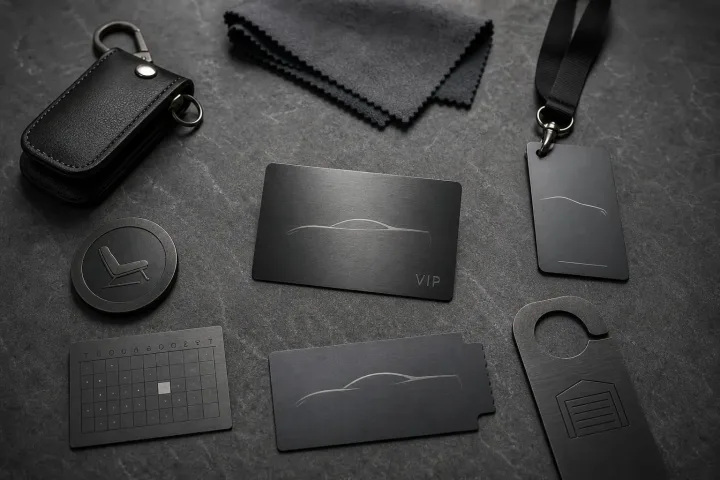
Industry program views
Put real privileges behind the physical object.
Hospitality, priority care, booking, events, partner benefits, and member identity should connect to one program record instead of living as separate promotions.
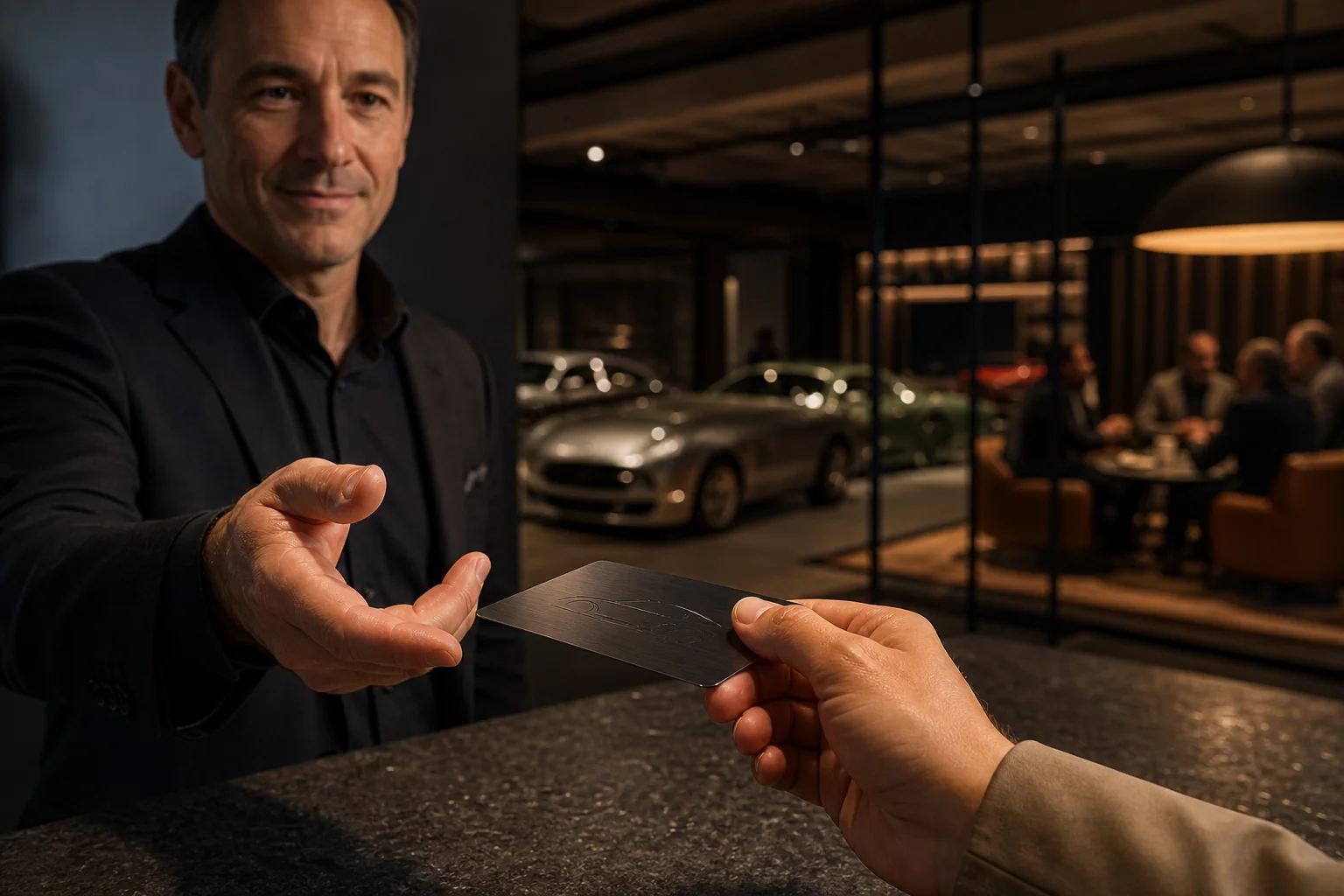
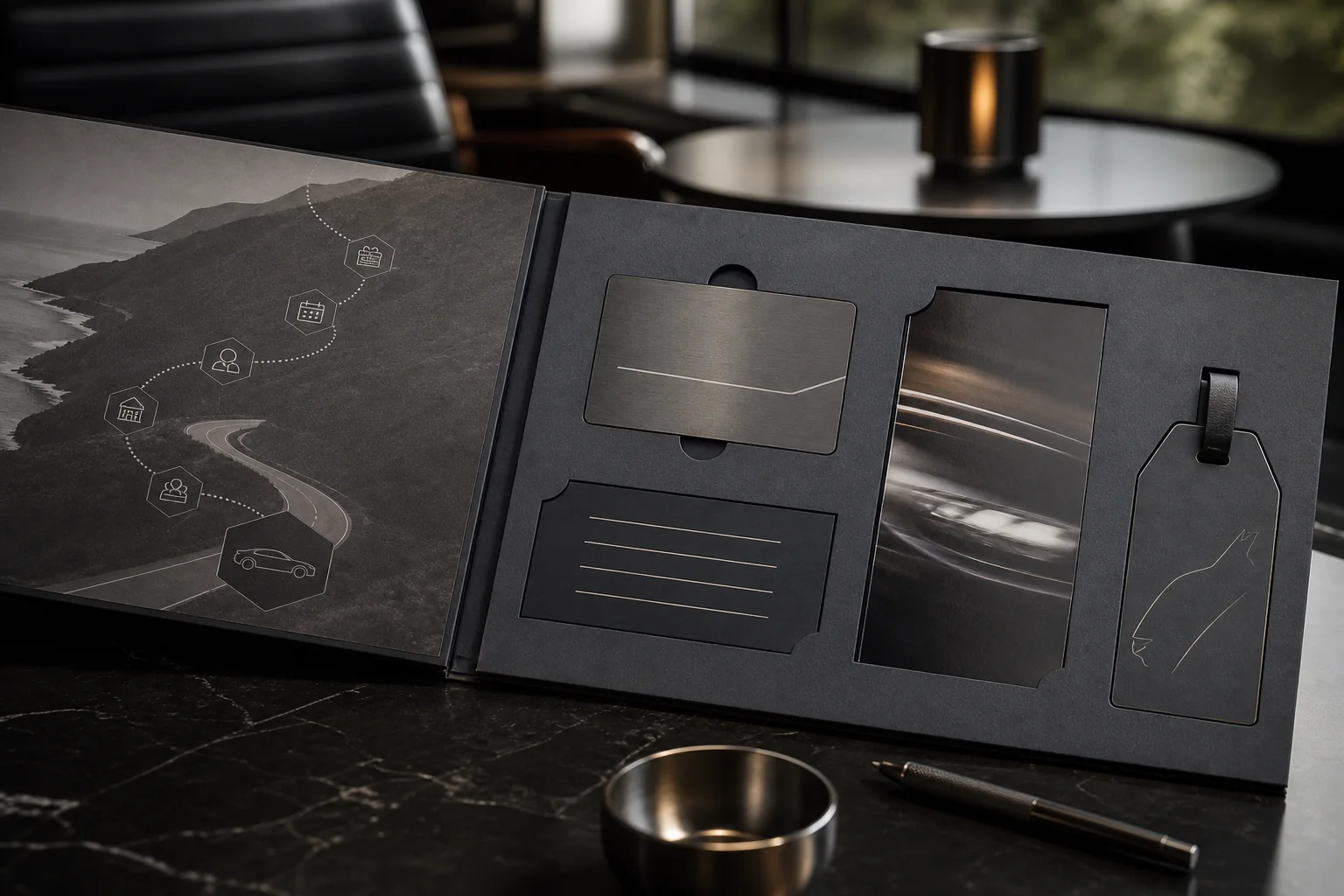
1–2. Recognition and priority booking.
First, the card gives staff and selected partners a consistent member identity. Second, it can open a protected booking route or identify a defined service window. These benefits are valuable only when the live member record confirms eligibility and the operation reserves real capacity. Visible tier helps recognition; the system remains the authority.
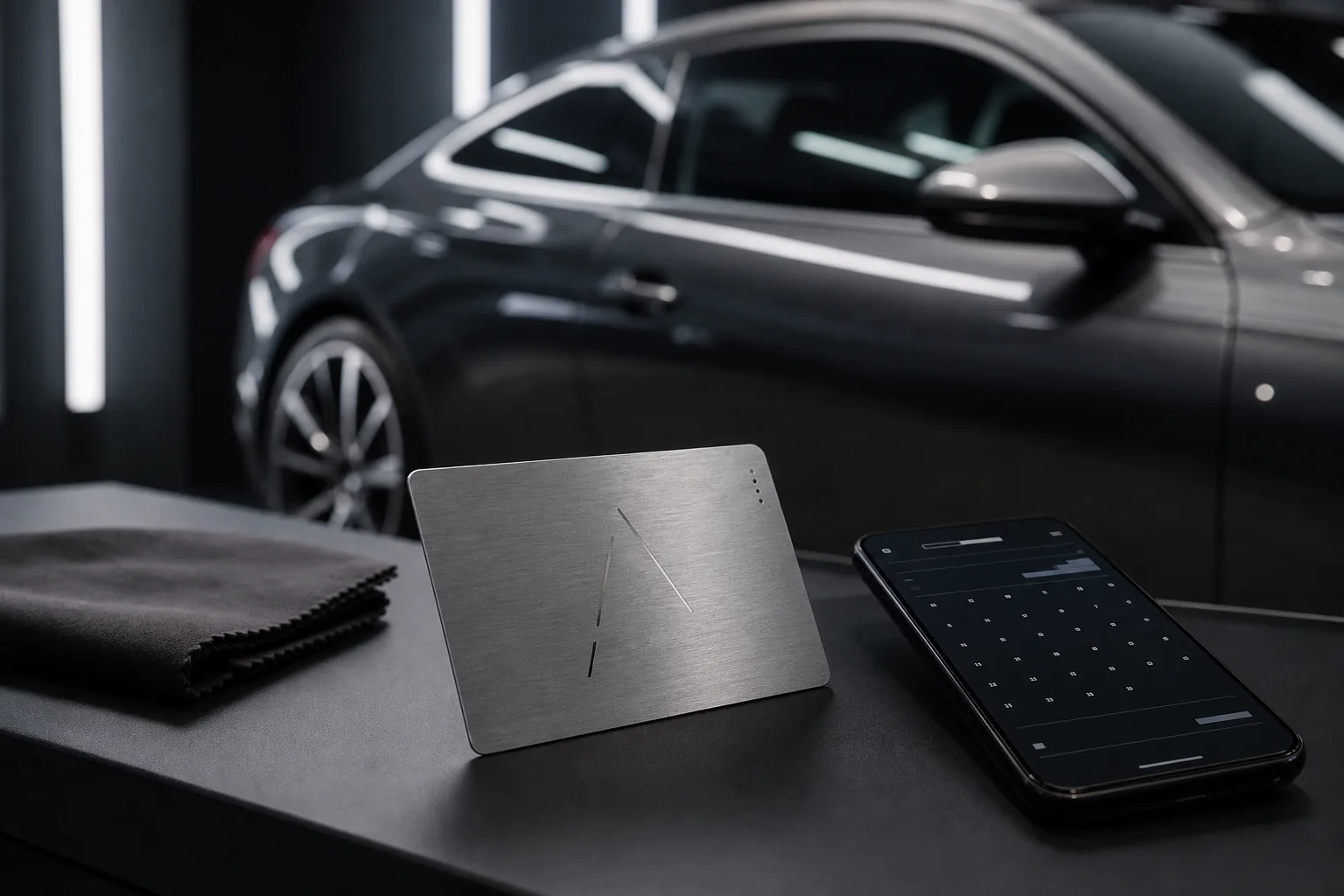
3–4. Private access and managed vehicle care.
A compatible encoded credential may support a private garage, lounge, or venue reader after exact system testing. Separately, NFC or QR can connect to detailing schedules, storage requests, inspections, or service coordination. Do not confuse phone tap with secure door access. Give each technology one clear job and test both on finished metal.
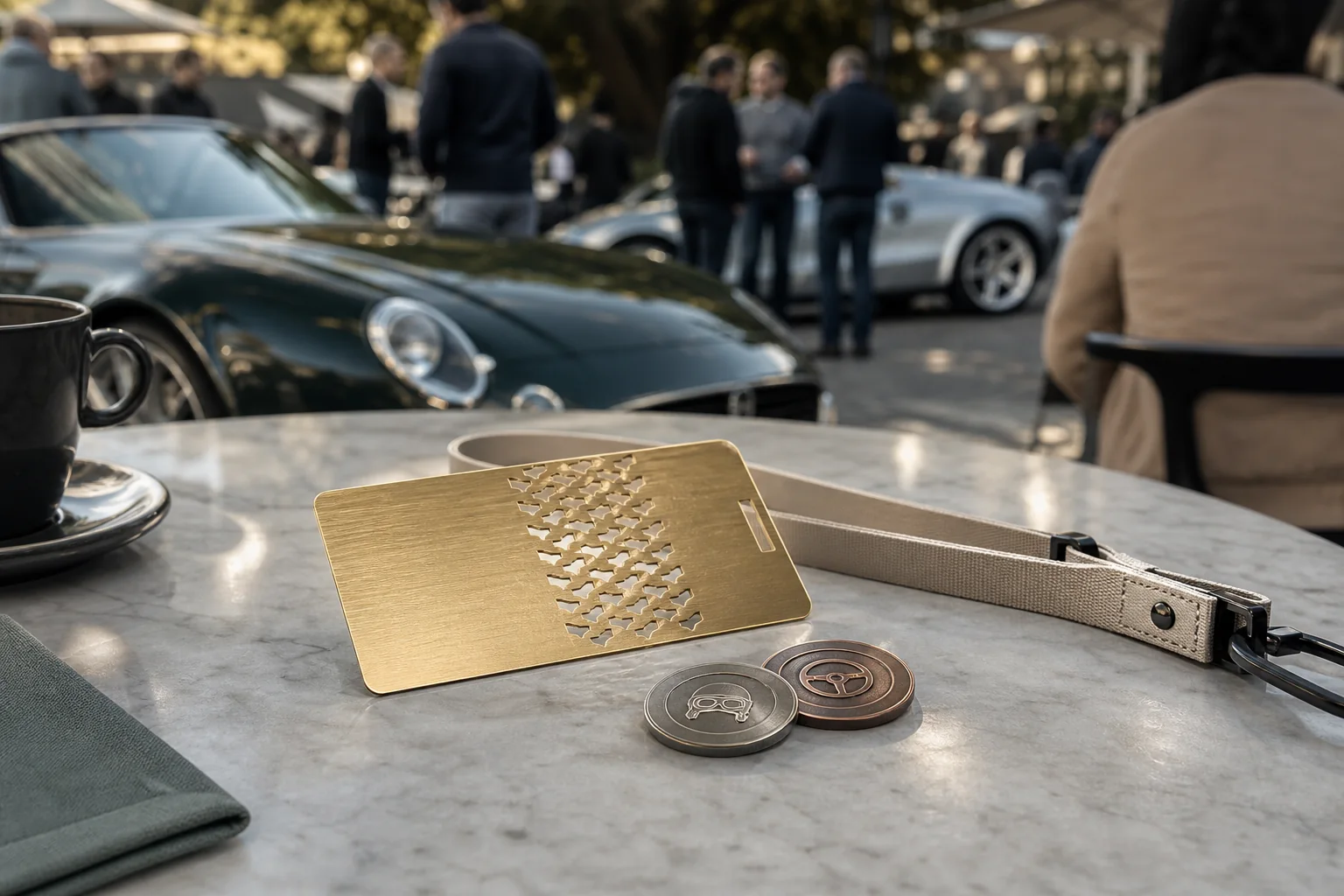
5. Member-only events and early access.
The program can offer private drives, launches, technical sessions, hospitality, or early registration. The long-term member card may identify eligibility, while a separate event pass manages temporary zones. A digital event page can change throughout the season without replacing the physical card.
6. Partner privileges with controlled validation.
Detailers, storage providers, restaurants, venues, and specialist services can participate when the validation rule is simple. A partner might inspect the tier, scan a QR code, or check a controlled member page. Avoid publishing private member data or expecting every partner to install specialist hardware. Give the network a fallback and an expiry rule.
7. Concierge support through one stable route.
A managed NFC or QR destination can connect members to the correct service contact, request form, or authenticated portal. The destination stays current while the card remains stable. Define response expectations, operating hours, privacy, and escalation before presenting concierge access as a benefit. A premium promise is credible only when the team can deliver it consistently.
Best uses
- Automotive clubs and owner communities
- Detailing, storage, rental, and dealership VIP programs
- Private events and partner-benefit networks
- Founder, concierge, lifetime, and invitation-only tiers
Relevant metal card routes
Frequently asked questions
Does the metal card create loyalty by itself?
No. It makes a meaningful program easier to recognise and remember. Loyalty depends on useful benefits that the business and its partners deliver consistently.
Can one card support all seven benefits?
Yes, when the card identifies one member record and each benefit has a clear validation route. Some access or event functions may still use a separate credential.
Which benefit should a new program launch first?
Start with two or three benefits the business already delivers well, such as recognition, priority booking, and events. Add complexity only after the member and staff workflows are proven.
Specification
| Card format | CR80 85.6 × 54 mm by default; custom outlines after RF review |
|---|---|
| Thickness | 0.3–0.8 mm depending on construction |
| Minimum order | None — from one approval sample to production runs |
| Production time | About one week after artwork and sample approval |
| Personalization | Member name, ID, tier, serial, expiry, QR, NFC data, and matched packaging |
| Approval path | Finish proof, encoded working sample, reader or phone test, production approval |
| Seven benefit routes | Recognition, booking, access, vehicle care, events, partners, concierge |
| Program authority | Live member record controls eligibility; the card provides identity and access route |
| Critical test | Staff process, partner validation, portal privacy, reader or phone behavior, and fallback |
Related metal RFID card pages
- Metal RFID Membership Cards for Yacht Clubs and Marinas
- Metal RFID Membership Cards for Private Aviation and FBO Lounges
- Metal RFID Membership Cards for Golf and Country Clubs
- Metal RFID Membership Cards for Luxury Residence Clubs
- Metal RFID Membership Cards for Private Wellness Clubs
- Custom Metal Membership Cards for Car Clubs
- Metal Membership Cards for Car Detailing Studios
- How to Build a Luxury Car Rental VIP Membership Program
- Metal Membership Cards for Private Car Storage Clubs
- Dealership VIP Cards That Extend the Owner Relationship
- VIP Metal Passes for Rallies, Track Days and Car Events
- NFC, RFID or QR for Automotive Membership Cards?
- How to Design Black, Gold and Founder Car Club Tiers
- What Can Be Personalized on a Metal Automotive Card?
- Metal vs Plastic Membership Cards for Automotive Brands
- How NFC Metal Cards Connect Automotive Member Portals